The Prime Minister announced last week that Covid-19 restrictions could be lifted on 19th July in England. This means that social distancing will no longer be a legal requirement. In addition, all venues that have been forced to close over the past year will now be able to open.
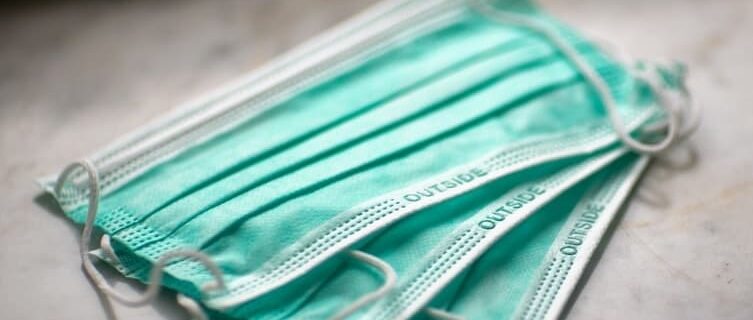
One of the most surprising restriction updates from the PM’s announcement was around face masks. It will no longer be a legal requirement to wear a face mask in public places such as shops, public transport and restaurants.This has caused national controversy as The World Health Organisation has advised that face coverings should remain a legal requirement.
Scientific advisers warn that this next stage of easing restrictions can lead to more than 200 deaths per day and thousands of hospitalisations. In addition, the Government is now encouraging everyone to wear face coverings in indoor crowded places.
How will Face Mask Changes affect the workplace?
Many employers have asked us if employees and customers should wear face coverings indoors even after the mask mandate has been removed.
The health and safety of employees should always be the first priority when making decisions as a business. If you think face masks are an important part of keeping employees safe, have a conversation with your team to see if they would be willing to cooperate.
We recommend encouraging staff to continue to wear their face covering especially when working in crowded places. From 19thJuly, it’s likely that places will be more crowded than ever. In addition, it’s important you put safety measures in place to protect everyone. This can include creating a policy that covers face masks so employees know what’s expected of them.
Despite the changes, it’s important to continue with risk assessments and support employees who want to continue with social distancing.
Scotland Covid-19 Restriction Updates
As part of the Scottish Covid-19 road map, Scotland will move to level 0 on 19th July 2021. This means that you can meet socially of groups up to 8 from 4 households indoors. Groups of up to 10 people from 4 households can now meet up in a public place. Finally, up to 15 people from 15 households can meet outdoors. During the FM’s statement to the Scottish Parliament on Tuesday 13th July, she announced that hospitality settings can now open until midnight if their current licence permits this.
The work from home message remains throughout Level 0.
The remaining legal restrictions are planned to be lifted on 9th August 2021. However, the first Minister has made it clear that restrictions on face masks will remain for some time.
When discussing easing of restrictions Nicola Sturgeon said: “We are easing restrictions next week – but we are not abandoning them. We will also keep in place for now certain other measures – such as the requirement to wear face coverings, co-operate with test and protect teams, and comply with advice on good hygiene and ventilation.”
If you would like any further advice on face masks in the workplace, contact us now on our website. Stay up to date on all restriction changes on the Government website now.