Sexual harassment in the workplace is an urgent and growing issue in the UK, demanding a proactive response from HR teams and organisations. Tribunal cases in the UK related to sexual harassment increased by 7% from January to September 2024, rising to 125 cases from 117 during the same period last year.
This study by Irwin Mitchell suggests that this rise is due to employees being more willing to report workplace harassment, and having a heightened awareness of their rights and new legal requirements introduced by the Worker Protection Act.
Other studies have shown that 58% of women and 34% of men have experienced sexual harassment in the workplace. It’s crucial for employers to take these statistics on-board and create a safe environment for their employees. To do this, you can actively implement policies and training that prevent and address any form of sexual harassment.
In this edition of Ask The Expert, we interviewed our Senior HR Consultant, Jenna, to go over what Sexual Harassment is, what employers can do to prevent it, and reporting unacceptable behaviours.
What is Sexual Harassment
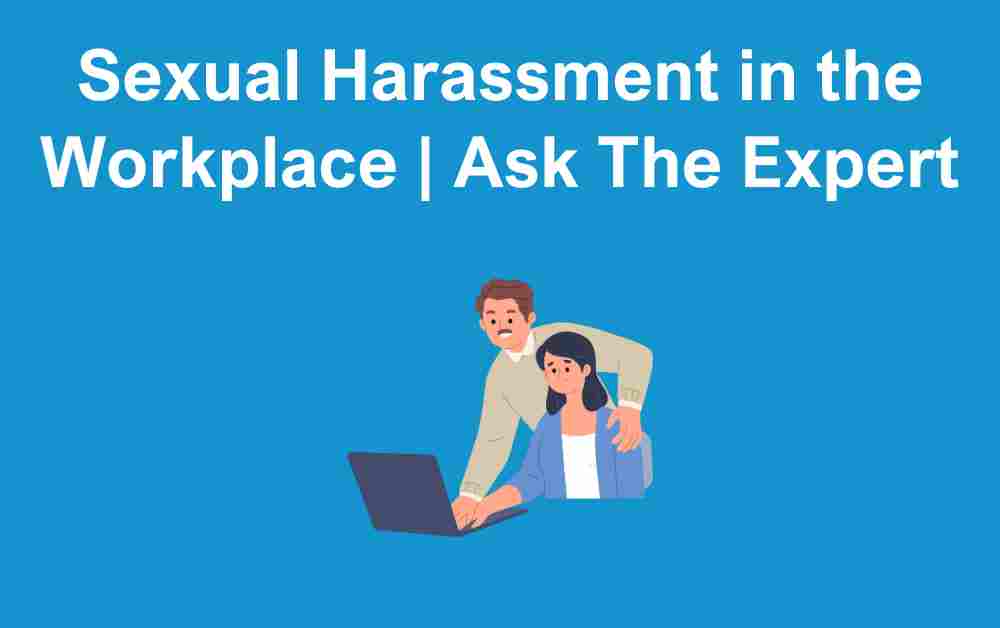
Sexual harassment is any unwanted or inappropriate behaviour of a sexual nature that makes someone feel uncomfortable, intimidated, humiliated, or degraded. This type of behaviour can include physical actions, verbal remarks, and non-verbal cues that are sexual or suggestive. It’s important to note that this is defined by how the behaviour affects the person on the receiving end, rather than the intent of the person displaying the behaviour.
Forms of sexual harassment include:
- Unwanted Touching or Physical Contact – Uninvited and unwelcome physical interactions, such as touching, hugging, or brushing against someone.
- Inappropriate Comments or Jokes – Making sexually explicit or suggestive comments, jokes, or remarks about someone’s appearance, body, or personal life. This also includes making sexual comments or jokes about someone’s sexual orientation or gender reassignment.
- Sexual Advances or Propositions – Unwelcome invitations, flirting, or asking for dates, particularly when repeated or where there is a power imbalance.
- Displaying or Sharing Sexual Content – Showing, sharing, or leaving out inappropriate materials, such as explicit images, videos, or drawings, in physical or digital spaces.
- Non-Verbal Cues – Gestures, staring, or facial expressions that are sexually suggestive or intended to intimidate.
- Online or Digital Harassment – Sending inappropriate messages, emails, or social media posts that are sexually explicit or harassing.
- Sexual Assault/Rape
Sexual harassment doesn’t always involve a direct interaction. Creating an environment where such behaviour is tolerated or indirectly encouraged can also constitute sexual harassment.
Organisations are legally obliged to take all reasonable steps to ensure employees feel safe.
Understanding the Difference Between Sex-Based Harassment and Sexual Harassment
While often used interchangeably, there is a distinction between sex-based harassment and sexual harassment. Sexual harassment typically involves unwanted behaviour of a sexual nature, including advances, physical contact, or suggestive remarks.
On the other hand, sex-based harassment refers to treatment based on someone’s sex that creates a hostile work environment. This can include demeaning language, derogatory remarks, or actions that target an individual because of their gender. It’s crucial to address both in policies and training. Both can equally harm an employee’s experience at work and their well-being.
Outside the Workplace
Sexual harassment can occur outside of the workplace. Examples include incidents at work-related events, such as team-building activities, social gatherings, networking events, conferences, and even during travel for business purposes.
Additionally, harassment may happen online or through digital communication channels outside of working hours. This can be through social media, messaging apps, or email. Employers are encouraged to include guidelines in their policies that address off-site and online conduct. Reinforcing that employees are expected to maintain respectful and professional behaviour at all times. By acknowledging that harassment can extend beyond the physical workplace, organisations can better protect their employees and uphold a safe and inclusive work culture.
The New Sexual Harassment Duty
From 26th October 2024, employers have a greater duty to take reasonable steps to prevent sexual harassment of their workers in the course of their employment. Employers will be expected to take all reasonable steps to protect employees, rather than merely responding to incidents after they occur. This represents a crucial shift towards preventative action, reinforcing the idea that a respectful, safe workplace is not just a moral imperative but a legal one.
Supporting employees and fostering a respectful culture is paramount in today’s workplace. By setting a clear standard, we help clients not only meet their obligations but create a workplace where everyone feels safe and valued.
What Should a Sexual Harassment Policy Include?
A comprehensive sexual harassment policy is the first step. It helps in creating a workplace that respects individual boundaries and fosters a culture of safety. Such a policy should clearly define sexual harassment and provide examples to help employees understand what constitutes inappropriate behaviour. These examples may include unwelcome advances, derogatory comments, or any action that may cause discomfort or humiliation to another employee.
The policy should outline reporting procedures, detailing how employees can confidentially report incidents and seek support. It should clarify the investigation process, ensuring a fair and unbiased approach to handling complaints. Additionally, consequences for violating the policy must be explicitly stated. This underscores the organisation’s commitment to addressing these issues.
Equally important is communication. A policy will only be effective if it is well-publicised, and employees are aware of both their rights and their responsibilities under it. A good practice is to make this policy part of the onboarding process. You must also reinforce it regularly through team meetings and training sessions.
The Importance of Sexual Harassment Management Training
Effective management training is essential to reinforce a workplace’s stance against sexual harassment. At The HR Booth, we have been actively supporting clients by providing sexual harassment management training. Our training equips managers and HR teams with the skills to recognise, address, and prevent harassment.
Training covers topics such as recognising what constitutes sexual harassment, and understanding different types of harassment. It also focuses on how to create an environment that encourages employees to report issues without fear of reprisal. We focus on building empathy and fostering respect across teams. Therefore, empowering managers to handle sensitive situations and to act quickly and appropriately when an issue arises.
You can find out more about our management training on our website.
What Can HR and Businesses Do to Prevent Misconduct?
Prevention begins with strong policies, effective training, and regular engagement with employees to ensure they feel comfortable coming forward if they experience or witness harassment. This requires employers to maintain a zero-tolerance approach to harassment, ensuring any reported incidents are dealt with promptly and seriously. Have a fair and clear procedure if a complaint is made, whether they fall under disciplinary matters or grievances, to maintain consistency and uphold trust within the organisation.
Conducting regular workplace audits to assess the work culture and identify any signs of misconduct can be instrumental in creating a positive environment. Organisations should also consider implementing an anonymous reporting system to give employees a safe channel for reporting any harassment they may experience or observe.
Another way you can prevent sexual harassment is by looking at your company culture and aim for a culture of zero-tolerance.
At The HR Booth, we actively work with our clients to implement these preventative measures, tailoring our support to each business’s unique culture and needs.
Read more ways you can prevent sexual harassment in the workplace by reading our latest article on the new duty.
Final Thoughts
In conclusion, addressing and preventing sexual harassment in the workplace is not only a legal responsibility but a fundamental aspect of building a respectful and inclusive work environment. With the recent changes in UK legislation, including the Worker Protection Act, organisations must proactively create policies, offer training, and establish clear reporting procedures to prevent harassment from occurring. At The HR Booth, we are committed to supporting our clients in navigating these requirements and fostering safe, respectful workplaces.
By investing in preventative measures, such as comprehensive policies and management training, companies can protect their employees, promote a positive workplace culture, and stay compliant with evolving regulations. Together, we can work towards a future where every employee feels safe, valued, and empowered in their workplace.