The first case of Monkeypox was detected in Scotland on Monday. As the virus spreads throughout the country, businesses are becoming increasingly concerned about their employees and workplace. Companies have already had to adapt over the last two years and are worried there’s even more uncertainty ahead.
Despite the fact that health experts have reassured the public that Monkeypox is ‘not another Covid’, it’s important to look at self isolation and sick pay guidance incase any of your staff contracts the virus. In addition, it’s time to plan for possible future outbreaks.
What is Monkeypox?
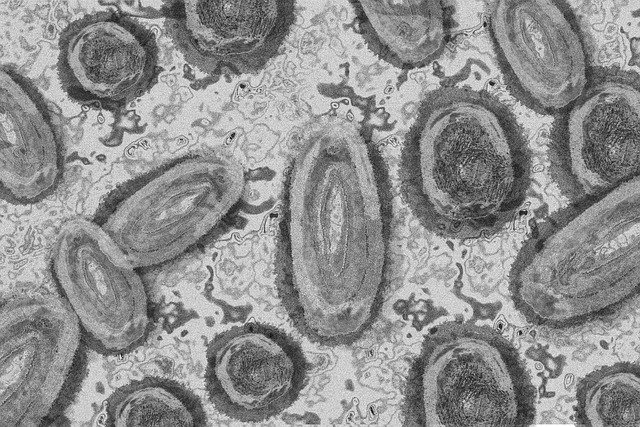
Monkeypox is a virus that typically occurs in central and west African countries. It’s part of the same family of viruses as smallpox and was originally found in primates. In most cases, symptoms are mild and most people recover after a couple of weeks.
Initial symptoms can include headaches, a fever, back pain, and aching muscles. Once the fever has passed, a rash may appear on the face which can then spread to other parts of the body. This can cause a lot of pain and can feel itchy. The rash will regularly change over time and will eventually form in to a scab before falling off. The virus usually lasts between 14 and 21 day and should clear on its own.
It can be spread through close personal contact or through contaminated clothes and linen.
What should I do if my employee contracts Monkeypox?
The UK Health Security Agency has released advice for anyone who has contracted the virus. This guidance includes the recommendation to isolate for 21 days and to avoid the workplace during this time. Similar to Covid-19 guidance, this advice is not mandatory and anyone who has contracted Monkeypox is not legally required to follow self-isolation advice.
However, as an employer you have a duty of care for your employees and it’s your responsibility to ensure the workplace is safe and healthy. In addition, it’s time to put policies in place. This includes advising team members who have the virus or has been exposed to it to isolate for the recommended time.
With the recommendations from the HCA in mind, we recommend working on a risk assessment to identify possible dangers. This is an important step to take, especially if your team work in close contact. You must also take in to consideration vulnerable people who may be more at risk if exposed to the virus.
Once you have updated policies and considered the risks, it’s important to communicate this with your staff. This will ensure they know exactly what they have to do if exposed to Monkeypox.
You can allow your employees to work from home for the 21-days if infected. If this isn’t possible, you can check if they are eligible for statutory sick pay.
Statutory Sick Pay
It’s advised that any cases in the workplace should be treated under normal sickness rules. In addition, statutory sick pay will not be payable unless the employee is eligible and too unwell to work.
If you decide to ask your staff who have been exposed to the virus not come in to the workplace and they aren’t eligible for SSP, you will be expected to give full pay even if they’re unable to work from home. If you fail to do so, this can lead to a claim of unlawful deduction of wages. In addition, it’s important to support employees during this time. You should pay them fully during the isolation period even if they’re unable to work from home.
If you have any further questions about Monkeypox or would like support with statutory sick pay, risk assessments, or policies, contact us now.