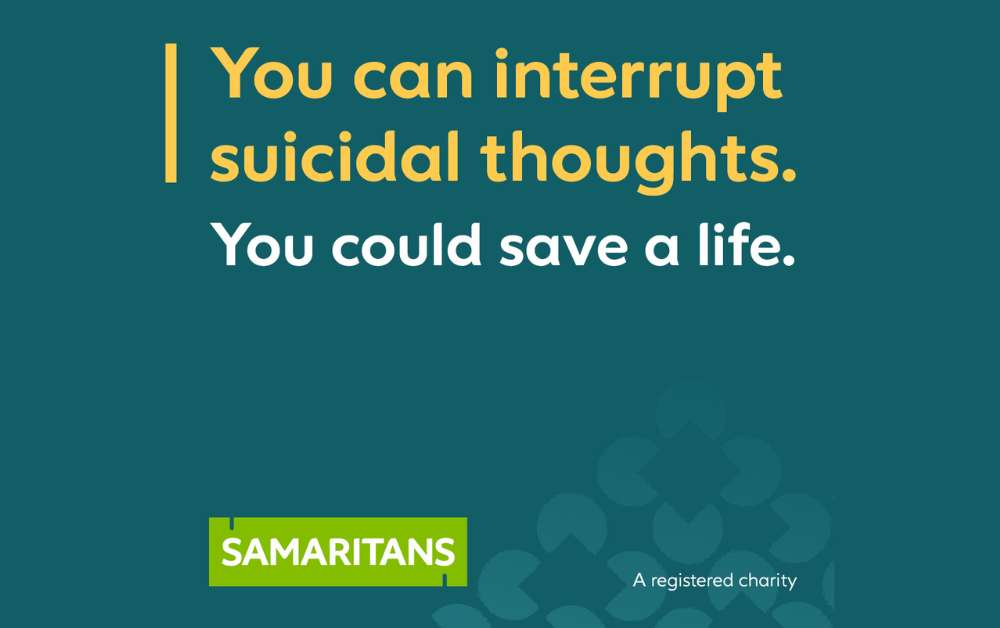
World Suicide Prevention Day takes place on 10 September, and this year leading charities are united around one vital message: if you are worried that someone may be suicidal, act immediately. Reach out, interrupt their thoughts, and show them that you care.
According to Samaritans, someone in the UK or Ireland dies by suicide every 90 minutes, and one in four people will experience suicidal thoughts at some point in their lives. These figures highlight the urgent need to raise awareness, challenge stigma, and encourage open, supportive conversations.
For employers, World Suicide Prevention Day is a powerful reminder of the role they can play in creating safe and supportive workplaces. By fostering a culture of care, giving managers the tools to have difficult conversations, and signposting staff to professional support, employers can make a meaningful difference.
Interrupting Suicidal Thoughts
Samaritans surveyed people who have experienced suicidal thoughts, and many reported that their thoughts were interrupted. In fact, 60% said they were interrupted by someone close to them, while 14% said it was by a stranger. This shows that anyone can take small but powerful actions to help prevent suicide. You don’t have to be an expert—listening, reaching out, and showing compassion can save lives.
Promote Mental Health Awareness in the Workplace
Employers can show their commitment by raising awareness in the lead-up to World Suicide Prevention Day. This could involve sharing resources across internal channels, running a wellbeing campaign, or organising a dedicated event.
You might arrange a training session to help staff recognise the signs that someone is struggling, host a wellbeing workshop, or invite a guest speaker to share their lived experience. Even small actions—such as opening conversations in team meetings or signposting staff to support services—can help normalise discussions around mental health. These efforts send a strong message that wellbeing is valued, and that support is always available.
How to Prioritise Mental Health Beyond World Suicide Prevention Day
World Suicide Prevention Day is an important reminder, but meaningful change requires commitment all year round. Employers can support their people in a variety of ways, such as:
Mental Health Awareness Training
Managers are on the front line of support, so it is essential that they know how to spot the signs of poor mental health. Workshops, seminars, and training sessions give managers the skills and confidence to recognise when someone is struggling. This training also helps reduce stigma, encourages empathetic conversations, and ensures employees are guided towards the right support.
Mental Health First Aider
A Mental Health First Aider (MHFA) is a trained member of staff who can provide initial support to employees experiencing difficulties. They can recognise the early signs of mental ill health, offer reassurance, and signpost individuals to appropriate resources. Having an MHFA in the workplace demonstrates a clear commitment to wellbeing and provides a trusted point of contact for employees in need. Sometimes, one supportive conversation can make all the difference.
Mental Health Resources
Giving employees access to mental health resources can go a long way to supporting employees. You can do this by offering:
- Confidential counselling support
- Employee assistance programmes
- Referrals to mental health professionals
Make sure employees are aware of available resources and crisis hotlines.
Company Culture
Ultimately, creating a workplace culture that prioritises mental health is one of the most effective long-term approaches. Employers can do this by:
-
Offering flexible working arrangements
-
Encouraging a healthy work–life balance
-
Promoting regular breaks and time to recharge
-
Fostering open communication and peer support
Supporting employees in managing stress not only improves wellbeing but also builds a healthier, more engaged, and more productive workforce.
In Conclusion
By taking proactive steps to support mental health, employers can create a safer and more compassionate workplace where staff feel valued and supported. Small actions—from training managers to promoting work–life balance—can make a lasting impact. On World Suicide Prevention Day, let’s remember that reaching out and showing we care could help save a life.
Samaritans have created a media pack for businesses to use to raise awareness on social media and throughout the workplace. You can download your resources on their website.
Contact Us
If you would like support from our HR experts on how to create a happier and healthier workplace, contact us today.