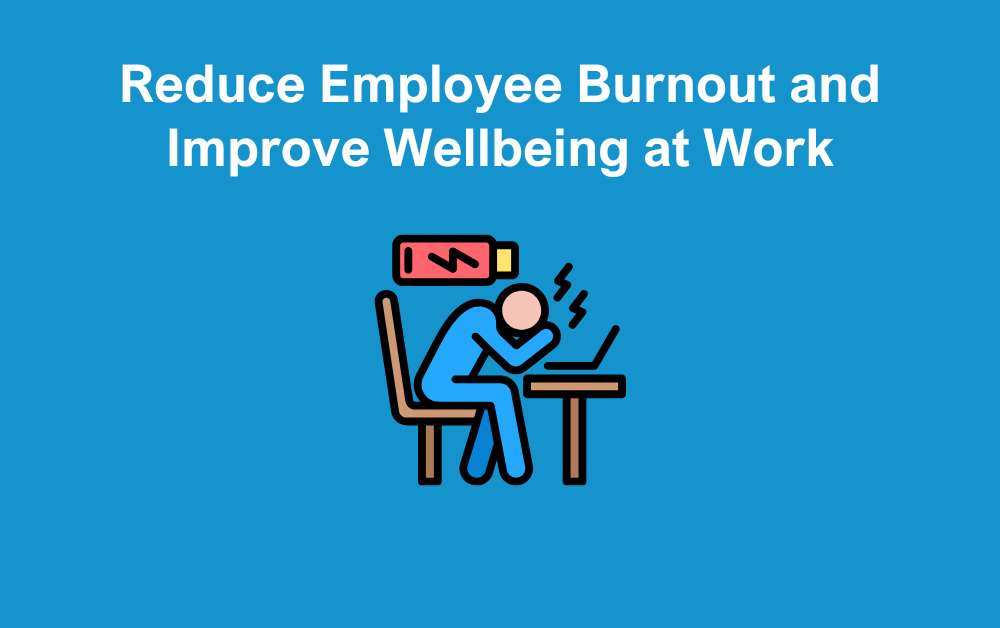
Reduce employee burnout is more important than ever at this time of year. As temperatures drop and seasonal illnesses increase, many businesses see a rise in short-term absences. More concerning, however, is the growing trend of employees continuing to work despite feeling unwell. Recent DWP figures show that 60% of employees have worked when they were not well enough to do so.
Further research from Bupa found that 21% of employees in SMEs delayed or avoided booking GP appointments because work felt too busy. This is a worrying statistic, particularly when employee health should be a clear business priority. We recently highlighted burnout as one of the biggest workplace challenges for the year ahead, and we are already seeing the impact in real time. Now is the time to strengthen your company culture and take meaningful steps to reduce employee burnout before it becomes embedded in your organisation.
What employee burnout looks like in practice
Employee burnout usually stems from physical, mental, and emotional exhaustion caused by a lack of work life balance or severe workplace stress. Signs to look out for include fatigue, disengagement, and reduced performance. You may even notice more mistakes being made. You may notice staff are less enthusiastic about their role and avoid getting involved in social events.
Employees might even skip breaks and experience disrupted sleep patterns.
Why employees work when they are unwell
Many employees continue working while unwell due to a combination of workplace pressure, personal concerns and organisational culture. In some cases, individuals worry about falling behind in their workload or letting colleagues down. This is particularly in small teams where absences are felt more immediately.
Others may feel uncomfortable taking time off due to fears about job security, negative perceptions from managers, or concerns that sickness absence could affect future progression. Financial pressures can also play a role, especially where sick pay is limited or unclear.
In workplaces where long hours and constant availability are normalised, employees may believe that working through illness is expected or even valued. Over time, this can create a culture where rest and recovery are seen as a weakness rather than a necessity. This increases the risk of long-term health issues, burnout and reduced productivity. If you are facing this in your business, it’s time to look at ways to reduce employee burnout.
The business impact of burnout and presenteeism
Burnout has a significant impact on workplace productivity and overall business performance. When employees are exhausted and struggling to concentrate, the quality of their work inevitably declines. Mistakes become more frequent, deadlines are missed, and customer service can suffer, which may damage client relationships and your organisation’s reputation.
Over time, burnout often leads to increased sickness absence and presenteeism, where employees are physically at work but unable to perform at their best. This places additional pressure on colleagues, disrupts workflows, and can slow down projects or service delivery.
High levels of burnout also contribute to staff turnover, as employees seek healthier work-life balance elsewhere. Replacing experienced team members is costly and time-consuming, with recruitment fees, onboarding, training, and lost productivity quickly adding up. In competitive labour markets, this can make it harder to retain skills and maintain continuity within the business.
Beyond the financial impact, burnout can lower team morale and create a negative working culture. Motivation and engagement decline, collaboration suffers, and trust in leadership may weaken. If you don’t look at ways to reduce employee burnout, this can result in long-term damage to performance, employee wellbeing, and the organisation’s ability to grow and adapt.
Legal and duty of care considerations for employers
Employers have a legal responsibility to protect the health, safety and wellbeing of their employees. Where stress becomes a foreseeable risk, employers are expected to assess it in the same way as any other workplace hazard. This includes carrying out risk assessments, addressing known pressure points and taking action when warning signs appear, such as long working hours, high absence levels or reduced performance.
There are also implications under employment law and equality legislation. In some cases, burnout or stress-related conditions may meet the definition of a disability under the Equality Act 2010, triggering a duty to make reasonable adjustments. Failing to do so could expose a business to discrimination claims.
Beyond legal compliance, taking employee wellbeing seriously is simply good business practice. Creating a culture where staff feel able to speak openly about workload and health concerns, and where managers are trained to spot early signs can significantly reduce employee burnout in your workplace.
How to Reduce employee burnout
The good thing is, there’s always something you can do to reduce employee burnout. This includes:
Paid time off for medical appointments
One way to ensure staff prioritise their health is by offering paid time off for medical appointments. This ensures staff prioritise their health and shows you care about them, increasing productivity and loyalty.
Access to Gym and Wellness memberships
If you are able to offer access to gym memberships and wellness apps, we encourage you to do so. This can have a positive impact on mental health and sets you apart from other employers.
Workload reviews
Hold regular workload reviews to understand the volume of work your staff currently have. This will let you evaluate whether you need to bring more people in to the team to manage this or if you can distribute work more efficiently.
Wellbeing check-ins
Regularly check-in with your employees to find out how they are and how they are feeling. If you find that staff are burnt out or struggling, you can then put something in place to support them. This can go a long way to reduce employee burnout.
Management Training
Management training can give your employees the right tools to manage burnout within the team correctly.
Final thoughts and next steps for employers
Employee burnout and presenteeism are no longer isolated issues, they are becoming everyday challenges for many UK businesses. When employees feel unable to take time off to recover, the long-term impact can be damaging for both individuals and organisations.
Employers who take a proactive approach by reviewing workloads, promoting healthy boundaries and creating a culture where people feel supported to prioritise their wellbeing will be far better placed to retain talent, reduce absence and maintain performance.
Now is the time to assess how your organisation currently supports employee health and identify where small changes could make a meaningful difference. Putting practical steps in place today can reduce employee burnout becoming an ingrained problem tomorrow.
If you have any questions, please get in touch with us today.