AI and automation are now widely used across UK businesses, helping organisations streamline processes, improve efficiency, and support decision-making. From automated systems to AI-powered tools, technology is becoming a routine part of how businesses operate.
However, adopting these tools also brings new responsibilities. Employers remain accountable for decisions made within their organisation, including those influenced by automation. Without clear guidance, policies, and oversight, businesses risk data breaches, unfair decision-making, and legal exposure. Understanding how to use AI and automation responsibly is essential to protect both your business and your workforce.
Why AI and Automation Are Increasing Across UK Businesses
AI and automation have become far more accessible in recent years, allowing businesses of all sizes to introduce tools that streamline everyday operations. Many commonly used platforms now include built-in automation features, helping organisations save time on repetitive tasks, improve accuracy, and operate more efficiently. What was once seen as advanced technology is now part of standard business software.
Rising costs, increased competition, and growing administrative demands have also driven businesses to look for smarter ways to operate. Automation can help reduce manual workload, improve consistency, and allow teams to focus on higher-value activities. As adoption continues to grow, it is important for employers to understand not only the benefits, but also their responsibilities when introducing these tools into the workplace.
Common ways businesses are using automation today
Most businesses are using AI and automation as a tool to enhance roles rather than replace them. This is due to the systems ability to improve productivity and take over easier tasks, giving staff have more time to focus on more challenging projects. Examples of commonly used tools include:
Automation and Robots
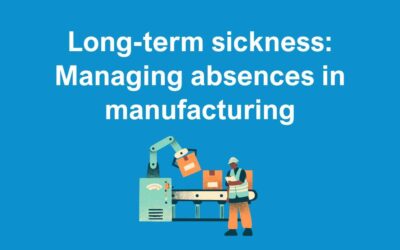
Automation uses technology to carry out tasks that would normally be done by people. For example, automated machinery on production lines can package products more quickly and consistently than manual processes. This can help businesses improve efficiency, reduce administrative burden, and make better use of working time.
Chatbots
Another common AI and automation tool businesses rely on is instant messaging services and chatbots. This allows them to send instant responses to clients or customers. This is a great solution for businesses work within 9-5 hours and want to make sure customers can receive answers to simple questions outwith this. Chatbots can also give employees more time to think of appropriate responses.
Applicant Tracking Software
Many employers also use ATS systems for their recruitment to help find the right candidate. We support many clients with their recruitment and Hireful has been a great tool for us and our clients.
Analytical Software
Employers can use this software to quickly analyse large volumes of data with greater accuracy. This can help businesses identify trends, monitor performance, and make informed decisions about where to focus their efforts. It may also highlight areas where employees or teams would benefit from additional support or training.
The risks employers need to be aware of
While AI and automation can improve efficiency, they also introduce new risks that employers must manage carefully. Businesses remain fully responsible for decisions made within their organisation, even where technology has played a role. Automated tools can produce inaccurate, biased, or incomplete outputs, and relying on them without proper oversight could lead to poor decision-making, reputational damage, or potential legal claims. There are also important data protection considerations, particularly where sensitive business or employee information is entered into external platforms.
AI and automation can also have a wider impact on workplace culture and skills. Over-reliance on automated tools may reduce critical thinking and problem-solving, with employees becoming more dependent on software rather than using their own judgement and creativity. This can limit innovation and weaken the confidence of staff to make independent decisions. Businesses should ensure these tools are used to support employees, not replace their input, and encourage a balanced approach that keeps human insight at the centre of decision-making.
Why policies and clear guidance are essential
As AI and automation is now a big part of the workplace, it’s important to have a clear policy in place. This will help you to set expectations, ensure systems are used responsibly, and will give you peace of mind at the same time. The policy should outline:
- How AI and automation will be used in the business
- How decisions made by AI will be monitored
- What data it will have access to
- Ethical considerations
- Data protection
- Employee training
- Who is accountable for these processes
Having appropriate guidance will encourage transparency, help build trust, and ensure these systems are used in a way that supports both the business and its people.
The Importance of Human Oversight
While AI and automation can support efficiency and streamline processes, they should never replace human judgement entirely. Automated systems may analyse data and provide recommendations, but they cannot understand context, workplace culture, or individual circumstances in the same way a manager can. Relying too heavily on automation can lead to decisions that are inappropriate, unfair, or inconsistent with company values.
Employers remain legally responsible for all workplace decisions, regardless of whether technology was involved. This makes it essential to ensure there is always appropriate oversight, with managers reviewing automated outputs and making informed, balanced decisions. Clear guidance helps employees understand when automation can be used and when human involvement is required, reducing risk and ensuring technology is used responsibly.
How The HR Booth Can Help
As AI and automation continue to evolve, it is important that businesses take a proactive approach. This includes introducing clear policies, reviewing existing practices, and ensuring managers understand their responsibilities when using these tools. Having the right framework in place helps protect your business, your employees, and your reputation.
At The HR Booth, we support employers by developing practical workplace policies, advising on responsible use of technology, and helping businesses stay compliant as new guidance and legislation emerge. We continue to monitor developments closely and provide clear, practical advice so you can embrace innovation with confidence while protecting your organisation.