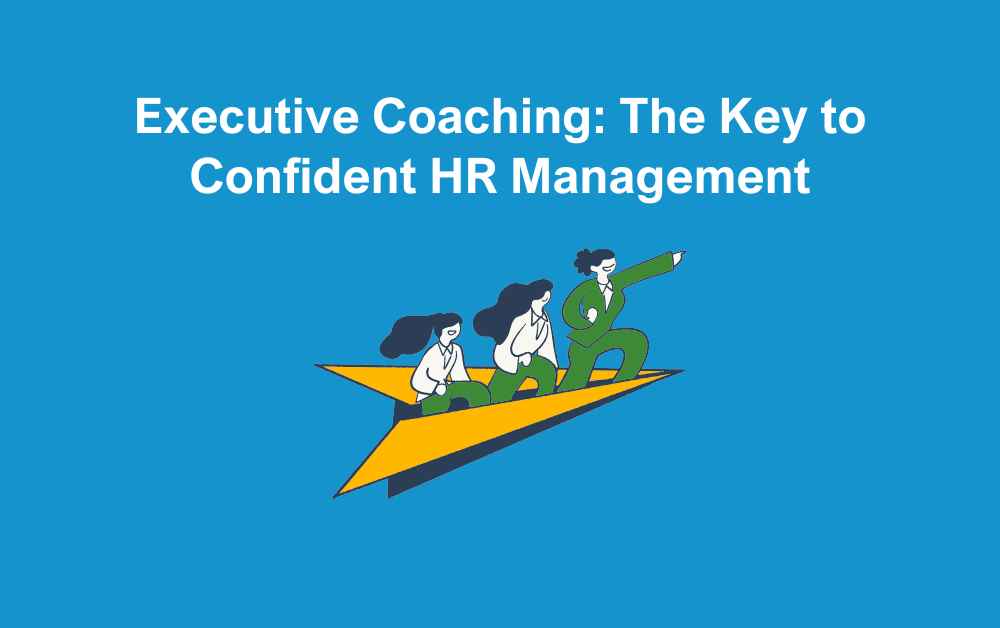
Executive coaching is fast becoming one of the most valuable tools available to C-suite leaders—especially when it comes to HR management. Senior executives are under increasing pressure to deliver results, manage change and lead with purpose. HR challenges such as culture transformation, talent retention and employee engagement are no longer just the concern of HR departments—they sit firmly on the executive agenda. This style of training helps leaders navigate these challenges with clarity, confidence and impact.
What Is Executive Coaching?
Executive coaching is a tailored, one-to-one development process designed to enhance leadership capability and performance. It’s not about telling leaders how to do their job; it’s about helping them reflect, make strategic decisions, and unlock their full potential—particularly in areas that influence people and culture.
For C-suite executives, this often means working closely with a trusted coach to approach HR-related issues more strategically. Whether managing senior teams, leading change or navigating conflict, executive coaching strengthens leadership behaviour and boosts confidence in handling people matters.
Supporting Executives to Reduce Burn-out and Improve Wellbeing
Reaching a high-level executive position often requires years of hard work, resilience, and innovation. These individuals have typically climbed the ladder through dedication, strategic thinking, and a willingness to embrace challenges. However, with great responsibility comes great pressure. The demands of executive roles can be relentless, often leading to high stress levels, burnout, and, in many cases, low retention rates.
The pressure to perform, manage teams, make critical decisions, and maintain long-term vision can quickly take its toll, both mentally and physically. This is where executive coaching proves to be an invaluable resource. By offering tailored support, training helps leaders navigate complex challenges, build resilience, and gain clarity in their decision-making. More importantly, it encourages a healthier work-life balance, enabling executives to perform at their best without compromising their wellbeing. In turn, this not only benefits the individual but also contributes to stronger, more sustainable leadership within the organisation.
Why Executive Coaching Matters for HR Management
Effective HR management underpins business success—but it requires more than policies and procedures. It demands emotionally intelligent leadership, consistent communication and clear vision. Training sessions supports this by giving leaders the tools and perspective they need to handle HR challenges more effectively.
1. Building Self-Awareness
C-suite leaders influence culture more than anyone else. This programme helps them understand how their behaviour and decisions affect people across the business. With greater self-awareness, they can lead in a way that supports safety, engagement and inclusion.
2. Navigating Difficult Conversations
From performance management to restructuring, HR often involves sensitive conversations. Executive coaching equips leaders with the language, empathy and approach to handle these conversations well—maintaining morale and building trust, even when the message is tough.
3. Aligning People Strategy with Business Goals
This provides space for strategic thinking. It helps leaders align people priorities—like retention, leadership development and workforce planning—with commercial goals, ensuring the HR strategy drives sustainable success.
4. Strengthening Leadership Team Dynamics
A well-coached leadership team works better together. This can improve team cohesion, reduce conflict and create shared accountability for HR outcomes. This unified leadership model supports consistency and clarity across the business.
5. Leading Through Change
Whether you’re implementing hybrid working, managing growth or responding to market disruption, change brings uncertainty. Executive coaching supports leaders to communicate with purpose, maintain trust and lead their people through transformation with confidence.
The ROI of Executive Coaching
The impact of training programmes reaches far beyond the individual. Businesses benefit from:
- Improved leadership capability across departments
- Improved employee retention
- Higher engagement
- Healthier culture.
- Stronger alignment between HR and business strategy
- Enhanced ability to lead through complexity and uncertainty
- Greater accountability and performance at senior levels
How to Maximise the Benefits of Executive Coaching
To get the most value from executive coaching, it’s important to approach it with intention. Here are a few practical considerations:
-
Choose the right coach: Look for someone with experience working at board or senior leadership level, who understands both business and behavioural dynamics.
-
Set clear objectives: Be specific about what you want to achieve—whether it’s navigating a particular challenge, developing a leadership capability or improving team dynamics.
-
Commit to the process: Coaching works best when leaders are open, honest and prepared to invest time and effort into their development.
-
Embed the learning: Coaching isn’t just about conversations—it’s about action. Applying insights in real time and reflecting on progress is key to lasting change.
Final Thoughts
In an age where leadership demands are growing more complex and people-centred, executive coaching offers a vital support system for C-suite leaders. It’s a space to think, challenge assumptions and develop the mindset and skills needed to lead with clarity and confidence.
When leaders are better equipped to manage HR issues with empathy, strategy and confidence, everyone benefits—from employees and teams to shareholders and customers. That’s why this is not just relevant to HR—it’s essential.
Need Support with Executive Coaching?
At The HR Booth, we understand the unique challenges that senior leaders face in today’s fast-paced and people-driven business environment. That’s why we offer management training that supports C-suite leaders in tackling complex HR challenges with confidence and clarity.
Our approach goes beyond generic leadership training—we partner with you to provide practical, strategic coaching that makes a real impact on your business. Whether you’re navigating organisational change, addressing culture and engagement issues, or building stronger leadership teams, our training is grounded in real-world experience and a deep understanding of people management.
Here’s how we support you through executive coaching:
-
Tailored Support: We get to know your business and leadership context so we can offer training that’s relevant, not off-the-shelf. Each session is designed around your goals, your team, and your challenges.
-
Strategic HR Insight: Our background in HR consultancy means we bring a wealth of knowledge on people strategy, performance, and compliance. We help you approach people issues with both commercial and human insight.
-
Practical Outcomes: We focus on actions and outcomes. Our training will help you develop plans, test ideas, and build the confidence to act.
-
Leadership Confidence: From managing conflict to leading culture change, we equip leaders with the tools, language and mindset to lead people effectively—especially when it’s not easy.
-
Lasting Change: We support leaders beyond HR training, our services embed new behaviours and approaches into everyday practice. That way, the benefits of coaching ripple across the business.
Whether you’re looking to strengthen your leadership team, develop a more inclusive and engaging culture, or simply lead with more confidence in today’s changing landscape, we’re here to help.
Get in touch with us today to learn more about executive coaching and how our services can support you and your senior team to lead HR challenges from the front.