In recent years, gender pay gap reporting has become a key part of promoting transparency and fairness in the workplace. For UK businesses with 250 or more employees, it’s not just a matter of best practice – it’s a legal requirement. But beyond compliance, this data measurement offers organisations a valuable opportunity to reflect on their pay structures, workplace culture and long-term diversity goals.
In this guide, we’ll break down what reporting involves, who needs to take part, and how businesses can use the data to drive meaningful change. Whether you’re preparing your next report or reviewing your current approach, this guide will help you navigate the process with clarity and confidence.
What is Gender Pay Gap Reporting?
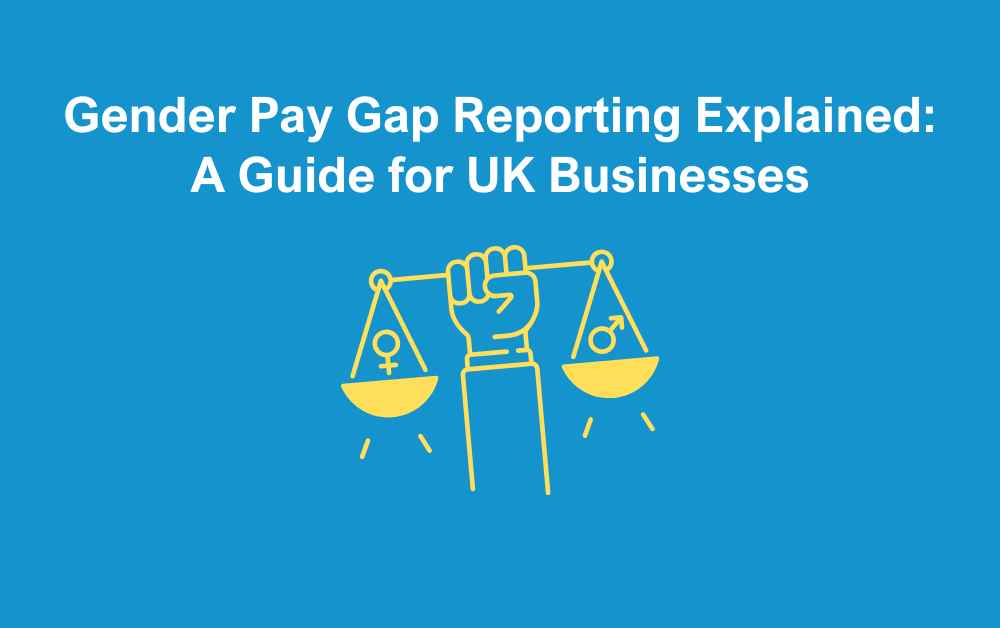
The gender pay gap report analyses the difference between the average earnings of men and women across an organisation regardless of job role. This report takes in to account bonuses, basic pay, allowances, and any other forms of finances. This is an important measure to hold businesses accountable and ensure they are running an equal and fair workplace.
To ensure the data you provide is as accurate as possible, you must analyse all employees.
What causes gender pay gaps?
Gender pay gaps often stem from three key areas: labour market disadvantage, workplace disadvantage, and individual earning differences between men and women.
Common causes include:
- Unpaid time off for dependants
- Part-time roles
- Gaps in skills or experience (human capital)
- Workplace segregation
- Undervaluing women’s work
- Pay discrimination
Understanding these factors helps employers identify what’s driving their own gender pay gap.
Do I need to complete Gender Pay Gap Reporting?
The gender pay report deadline is based on payroll data determined from a particular date each year. This date is referred to as the ‘snapshot date’. If you have 250 or more employees on your ‘snapshot date’ you are required to complete the gender pay gap reporting. You can find out more about this HERE.
If you have less than 250 employees on your snapshot date, you don’t need to complete the report. However, we encourage you to complete this voluntarily as it’s a great step to ensuring your business is a fair and equal place to work.
what information should be included in a gender pay gap report
As well as sharing gender pay gap reporting data, employers are also required to submit or publish:
- A written statement to declare the report is accurate.
- Supporting narrative to give more information on the findings.
- An action plan to share how you plan to tackle any pay disparities in your organisation.
Where do I publish the report
You must publish your gender pay gap report to the correct section on the Government website and will find this here. You should also publish the results on your website or on an online platform where employees can get access. This must be made available for at least three years.
Gender Pay Gap Breach
Employers can face enforcement from the Equality and Human Rights Commission (EHRC) if things aren’t reported correctly or on time. You may also receive a ‘late badge’ that will be visible to the public. This can have a negative impact on your reputation as a business and can deter future employees.
How to Prepare for The Gender Pay Gap Reporting
Identify the Snapshot Date
Use the correct snapshot date for your sector:
-
5 April for private and voluntary sector employers
-
31 March for public sector employers
All data should reflect employees on your payroll on that specific date.
Identify Who to Include in Your Report
Start by identifying two groups: relevant employees and full-pay relevant employees.
-
Relevant employees include anyone employed under a contract or self-employed workers providing personal services. Count each person individually, even if they job share.
-
Gender pay gap reporting should also include full-pay relevant employees are those receiving their usual full basic pay or piecework rate.
Exclude employees from this group if they were on reduced pay due to leave, such as annual leave, maternity, sick leave, or bereavement.
Include Ordinary Pay
Next, add the ordinary pay for full-pay relevant employees only, using their gross pay:
- After salary sacrifice reductions
- Before tax, National Insurance, and pension deductions
Ordinary pay includes:
- Basic pay
- Allowances
- Piecework payments
- Shift premiums
- Paid leave
Do not include overtime, redundancy pay, or non-cash benefits like company cars or medical cover.
Add Bonus Pay
Collect bonus pay information such as cash and non-cash bonuses over the last 12 months. This can include profit sharing, commission, or long service awards.
Weekly Working Hours
Now add the weekly working hours for full-pay relevant employees in the gender pay gap reporting, excluding any paid or unpaid overtime. Include hours for all working patterns, such as regular, variable, on-call, piecework, or recently changed roles.
Hourly Pay
Finally, use the data from previous steps to calculate hourly pay for full-pay relevant employees. For those on fixed hours and pay with no bonuses or allowances, no extra calculation is needed—just divide pay by hours; if bonuses were paid, include both ordinary and bonus pay from that period.
What Should I do after my report is completed?
If you have completed your gender pay gap reporting, we recommend you analyse your findings. If you recognise a gender gap, you can create a plan that looks at ways to tackle the problem and bridge the gap. This can then be published with your supporting narrative.
How The HR Booth Can Help
Navigating gender pay gap reporting can feel overwhelming — but you don’t have to do it alone. At The HR Booth, we support UK employers through every step of the process, from preparing accurate data and understanding reporting requirements to writing clear narratives and building action plans that drive real change.
Whether you’re reporting for the first time or refining your approach, we’ll ensure you stay compliant and confident. We also offer tailored advice to help you address the root causes of any gender pay gaps and create a fairer, more inclusive workplace.
Contact Us
If you would like any further advice on gender pay gap reporting, feel free to contact us now on our website.