In recent years, the working world has undergone seismic shifts, leading to innovative working models. One such development gaining traction is the “hushed hybrid” approach. Despite many businesses, such as ASOS, ASDA, and Google, requiring employees to return to the office, some managers are quietly defying company policies by permitting staff to work from home in secret.
Owl Labs recently published a survey that revealed 70 per cent of UK managers have allowed team members to work remotely despite official company mandates.
This blog explores what this form of hybrid working means, its potential impact on workplace culture, legal considerations, and the responsibilities of managers and leaders.
What is Hushed Hybrid?
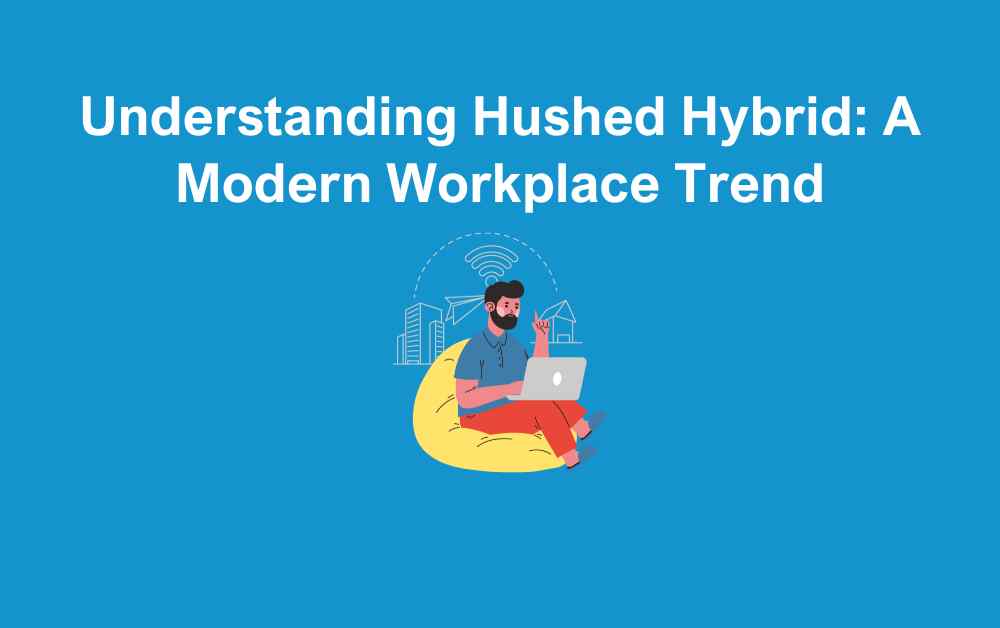
Hushed hybrid refers to a covert form of hybrid working, where employees adopt a blend of in-office and remote work without explicit policies or formal communication. Unlike structured hybrid work models, this form of secret hybrid working often arises from unspoken agreements or tacit understanding between employees and managers.
This approach can occur when organisations have not yet established clear flexible working policies or when employees quietly modify their working arrangements to better suit personal circumstances. While this might seem practical or beneficial in the short term, hushed hybrid has broader implications that organisations must consider.
How Hushed Hybrid May Affect Workplace Culture
Lack of Transparency
One of the primary challenges posed is a lack of transparency. When employees and managers operate without a clear framework, it can foster uncertainty and mistrust among colleagues. A lack of open dialogue around working arrangements may lead to feelings of inequality or resentment, especially if some employees perceive that others are receiving preferential treatment.
Erosion of Team Cohesion
Team cohesion thrives on communication and shared goals. When it comes to this model, teams may struggle with disjointed communication and collaboration. Informal working arrangements can result in unclear expectations and inconsistent team engagement, which can negatively affect productivity and morale.
Strain on Work-Life Balance
Although hybrid working can enhance work-life balance, the absence of clear guidelines in a hushed hybrid arrangement can blur boundaries. Employees may feel pressured to be always available, leading to burnout. Alternatively, others might exploit the lack of oversight, causing frustration among peers who feel overburdened.
Legal Implications of Hushed Hybrid
Employment Contracts
Hushed hybrid arrangements can unintentionally breach employment contracts. Most contracts specify working hours, location, and terms that govern workplace arrangements. Employees deviating from these terms without formal agreement could lead to disputes or disciplinary actions.
Health and Safety
Employers have a legal obligation to ensure the health and safety of their staff, regardless of where they work. In this style of working environment, employers might overlook this duty, leading to potential liabilities if employees face health issues due to inadequate working conditions at home.
Equality and Discrimination
Without a structured policy, the risk of discrimination increases. Employees may feel that the flexibility or lack thereof is unequally distributed. This could lead to grievances or legal claims related to unequal treatment under the Equality Act 2010.
Data Security
Remote working often involves accessing sensitive company information outside secure office networks. A lack of formal hybrid working policies could result in data breaches or non-compliance with GDPR regulations, exposing organisations to financial penalties and reputational damage.
Responsibilities of Managers and Leaders in Addressing Hushed Hybrid
Establishing Clear Policies
Managers must work collaboratively with HR to create clear and transparent hybrid working policies. These policies should outline expectations, eligibility criteria, and the balance between in-office and remote work. A well-communicated framework ensures that all employees understand their rights and responsibilities.
Promoting Open Communication
Encouraging open dialogue is critical. Managers should provide opportunities for employees to discuss their needs and preferences. Regular check-ins and anonymous feedback channels can help identify issues before they escalate.
Ensuring Fairness
Leaders must ensure that hybrid arrangements are applied equitably. This involves evaluating roles to determine suitability for remote working and offering consistent opportunities across teams. Transparency about the rationale for decisions can help maintain trust.
Providing Training and Resources
Training managers and employees on effective remote working practices is essential. This could include workshops on time management, communication tools, and cyber security protocols. Additionally, leaders should ensure that employees have access to suitable equipment and ergonomic workspaces, whether at home or in the office.
Monitoring and Adjusting
The hushed hybrid model highlights the need for ongoing evaluation of workplace arrangements. Managers should regularly assess the effectiveness of hybrid policies and make adjustments based on employee feedback and organisational needs.
Steps to Transition from Hushed Hybrid to Structured Hybrid
Conduct a Workplace Audit
Organisations should assess the current state of their workforce. Understanding who is working remotely, who is in the office, and how often can provide insights into existing patterns and gaps.
Engage Employees
Engaging employees in the development of hybrid work policies ensures that their needs are considered. Surveys, focus groups, and one-on-one conversations can provide valuable input.
Define Objectives
Clearly outline what the organisation hopes to achieve with its hybrid work model. Whether it’s improved productivity, better work-life balance, or enhanced collaboration, defining goals helps shape policies.
Communicate the Transition
Once a structured hybrid model is developed, communicate it clearly and consistently. Provide a timeline, explain the rationale behind decisions, and address potential concerns.
Measure Success
Set measurable KPIs to evaluate the success of the hybrid model. Metrics such as employee satisfaction, productivity levels, and staff retention can indicate whether the new arrangements are working effectively.
Conclusion
The hushed hybrid phenomenon underscores the need for organisations to proactively address hybrid working arrangements. While it may appear harmless at first glance, the lack of structure and clarity can have far-reaching implications for workplace culture, legal compliance, and employee well-being. By recognising the potential risks and taking steps to implement structured hybrid policies, managers and leaders can foster a more transparent, equitable, and productive work environment.
Hushed hybrid is more than a trend; it’s a wake-up call for organisations to evolve and adapt to the changing nature of work. Addressing it thoughtfully and strategically will ensure long-term success in an increasingly hybrid world.