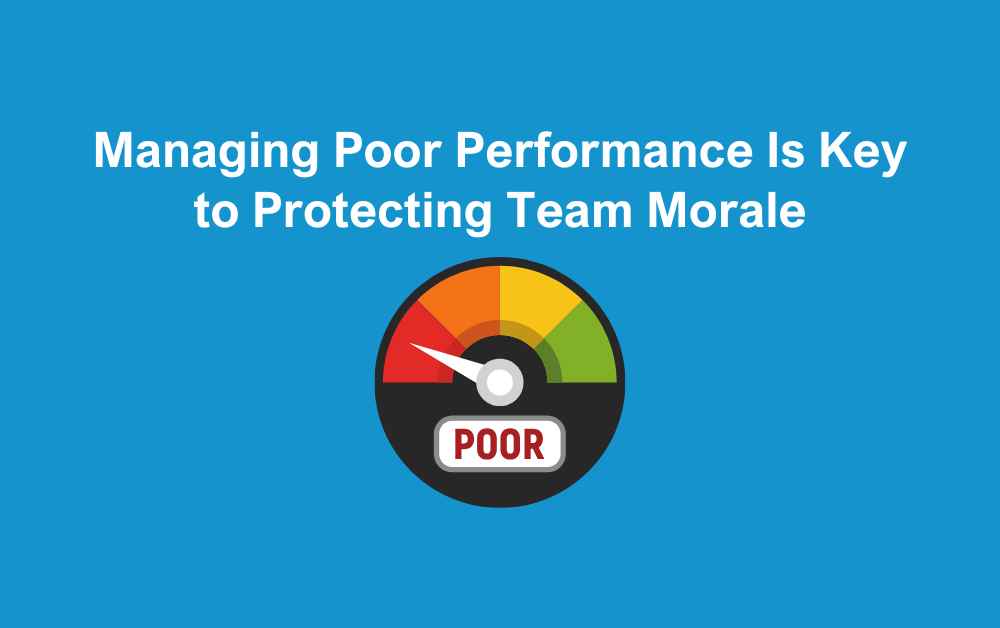
Managing poor performance is a critical issue in today’s workplaces, and new findings from a YouGov survey commissioned by Acas reveal just how much it matters. Nearly half (49%) of UK employees say they are most angered by colleagues who are perceived as not doing their jobs properly. This highlights the significant impact that underperformance can have on team dynamics and overall morale. When employees feel the strain of covering for others, it leads to increased stress, frustration, and potential conflict within teams.
Yet despite its impact, dealing with underperformance is often avoided because it feels uncomfortable. But failing at managing poor performance can cause lasting damage to productivity and staff engagement. In this blog, we’ll explore how to spot the warning signs, why tackling the issue matters more than ever, and practical steps you can take to handle it fairly and effectively.
The Impact of Poor Performance on Morale
Underperformance doesn’t just affect output — it breeds resentment and can seriously damage trust within a team. When colleagues consistently fail to meet expectations, others often feel compelled to pick up the slack, leading to frustration, burnout and a growing sense of unfairness. Over time, this imbalance can chip away at morale and create a toxic work environment. The longer poor performance is left unaddressed, the more entrenched the issues become. It can result in increased disengagement, strained working relationships and, ultimately, higher staff turnover as high-performing employees look for a more supportive and equitable workplace. Managing poor performance proactively is key to preventing these consequences and maintaining a healthy team dynamic.
Why Employers Struggle Managing Poor Performance
Despite the clear impact on team morale, many managers hesitate to tackle poor performance head-on. One common reason is a fear of confrontation. It’s not unusual for managers—especially those newly promoted—to worry that giving negative feedback might damage relationships or create tension in the team.
There’s also the challenge of lacking a clear framework. Without robust performance management processes in place, managers can feel unsure about how to raise concerns in a fair and constructive way. This often leads to delays, where the problem is left to fester and team frustrations grow.
Another key issue is misidentifying the cause of the underperformance. For instance, a team member might be perceived as ‘not pulling their weight’, when in reality they’ve never been properly trained or are unclear about what’s expected of them. In these cases, the issue isn’t capability—it’s support and communication.
By understanding these barriers, organisations can better equip managers with the confidence and tools to intervene early and managing poor performance constructively.
How to Tackle the Issue Constructively
Let’s say a team member is consistently missing deadlines and producing incomplete work, causing frustration among colleagues who need to pick up the slack.
Step 1: Set Clear Expectations
Have a one-to-one conversation to outline the specific concerns. For example:
“I’ve noticed the last three reports have been submitted late and missing key data. This is impacting the team’s ability to meet client deadlines.”
Explain what good performance looks like, and agree on what’s expected moving forward.
Step 2: Identify Support Needs
Managing poor performance by asking open questions to understand what’s behind the underperformance. Is it a skills gap? Lack of clarity? Personal issues? Provide training, mentoring, or reasonable adjustments where appropriate.
Step 3: Create a Short-Term Action Plan
Agree on a simple plan with clear objectives and review dates. This might include improved time management, using a report checklist, or weekly check-ins for accountability.
Step 4: Follow Up and Document Progress
Check in regularly to offer support and monitor improvement. If performance doesn’t improve despite reasonable support, be prepared to escalate to a formal process.
Creating a Culture of Accountability
When managing poor performance, creating a culture of accountability is important. At The HR Booth, we’ve worked with several clients where a high-performing team was slowly being pulled down by one or two individuals not pulling their weight. In one instance, a line manager was hesitant to address it directly, hoping the problem would resolve itself. Instead, it created resentment among the rest of the team, with some even considering leaving.
We supported the manager in introducing regular one-to-ones and clear performance expectations for all staff — not just the underperformers. This helped reset the culture. Team members began to speak more openly about challenges and felt more confident that standards were applied fairly. It became clear that when managing poor performance, accountability wasn’t about punishing individuals — it was about ensuring everyone could rely on one another.
By fostering a transparent environment where feedback is the norm and performance is regularly discussed, the manager saw an improvement not only in individual contributions but in overall team morale and collaboration.
Final Thoughts
Managing poor performance is not about blame, but about protecting the morale, trust, and productivity of the wider team. By proactively dealing with the issues in hand, managers build stronger, more resilient teams. They also reduce the risk of losing high-performing staff.
Contact Us
If you would like our HR experts to help you with managing poor performance in your business, feel free to contact us today.