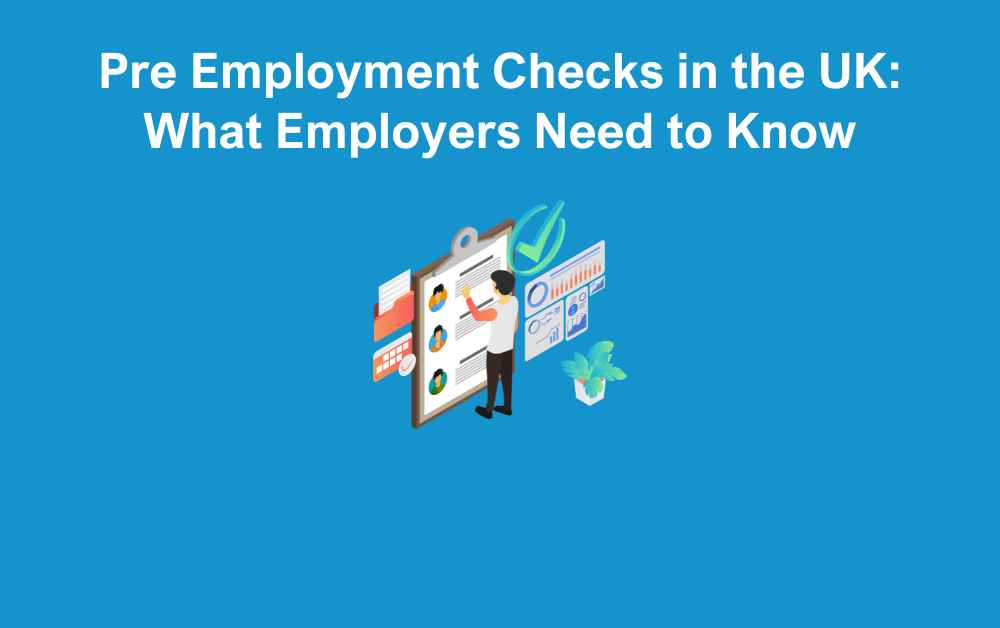
Some roles legally require specific pre-employment checks. For example, right to work checks are mandatory for all employees in the UK, while roles involving vulnerable people may need criminal record checks. Physical or high-risk jobs might also require a health assessment.
Why Pre Employment Checks Matter
Carrying out pre employment checks is more than just a box-ticking exercise—it’s a crucial step in protecting your business, employees, and customers. In the UK, employers have a legal responsibility to ensure that the people they hire are legally allowed to work in the UK. Failing to carry out right to work checks can result in hefty fines and repuatational damage.
Right to work checks involves asking the employee for ID. A passport is usually enough for British citizens, while international workers will need additional documentation.
Reducing Risk to Your Business
Without thorough pre employment checks, you risk hiring individuals who may not be qualified, trustworthy, or safe to work in sensitive environments. This can lead to financial loss, poor performance, or even legal action if something goes wrong.
Making Better Hiring Decisions
Proper checks help confirm a candidate’s experience, qualifications, and character. This gives you confidence in your hiring decisions, reduces employee turnover, and helps build a safer, more productive workplace.
When should pre employment checks be conducted?
Before the job offer
Carrying out pre-employment checks before making a job offer can speed up the onboarding process, as key information is already verified. It also helps you identify any issues early and move on if needed.
However, vetting multiple candidates in advance can be costly, and you must ensure it’s legally appropriate. Many employers wait until after an offer is made—especially for reference checks—since the candidate’s current employer may not yet be aware they’re job hunting.
After you have offered the Job
This is the most popular method as you then only have one candidate to verify. However, if this doesn’t work out, you will then have to start the process all over again. To get around this, a lot of employers wait to reject other candidates until the checks have passed and the contract has been signed.
Social Media Checks
Most UK employers now use social media as part of their recruitment process. Platforms like LinkedIn are especially useful, as they offer a public record of a candidate’s skills, experience, and career history—making it harder to exaggerate compared to a CV. However, it’s important to approach this carefully and fairly.
Ethical Considerations
-
Only view public profiles – never try to access private content.
-
Be consistent across all candidates to avoid bias.
-
Focus on content relevant to the role, such as signs of unprofessional behaviour or discriminatory remarks.
-
Avoid judging based on personal lifestyle or opinions unrelated to the job.
GDPR and Compliance
-
Let candidates know if online checks are part of your process.
-
Only collect data that’s necessary and relevant to the role.
-
Keep checks transparent, fair, and in line with your privacy policy.
-
Give candidates a chance to respond if something concerning is found.
Sticking to professional platforms and keeping pre employment checks proportionate helps you stay within legal and ethical boundaries.
References
Requesting references from a previous employer is a good way to verify experience and skills referenced in their CV. It can also give you a good indication if they are suitable for the role and will fit in well with the team. A reference request can either be done by telephone or writing, and can include questions around:
- Dates of employment and details of their time there
- Skills and experience
- absence rates
- disciplinary action against the candidate
- character
- The reason the employment contract ended
Can I withdraw an offer after completing pre employment checks?
You can withdraw a job offer if pre employment checks uncover an issue—but only if the offer was made conditionally. If you didn’t clearly state that the offer was subject to satisfactory checks, it could be treated as a binding employment contract. In that case, you’d need to go through a formal dismissal process.
To avoid this, always make job offers conditional on the successful completion of all necessary pre employment checks.
Final Thoughts
Pre employment checks are a vital part of any recruitment process. They not only help you verify a candidate’s suitability for the role but also ensure you’re meeting your legal responsibilities as an employer in the UK. Making pre employment checks a standard part of your recruitment process demonstrates your commitment to compliance, fairness, and safeguarding.
It’s also crucial to handle checks professionally and consistently. Always be transparent with candidates about the checks you carry out, ensure you have their consent where required, and treat the information you gather with care and confidentiality.
Whether you’re hiring for a small business or managing recruitment across multiple roles, having a clear, compliant process in place gives you peace of mind and helps you build a reliable, trustworthy team.
Contact Us
If you have any further questions on pre employment checks or would like support from our HR experts, contact us.