According to a recent survey, 38% of professionals feel they have excessive workloads with 41% feeling they are trapped in admin tasks. We are seeing similar patterns across the professional services industry with employees dealing with mounting workload without the right support or tools to back them up. This is where professional services HR support comes in.
In this article, we will look at the challenges the industry are facing now, strategies to overcome them, and how HR professionals can help.
Understanding burnout in professional services
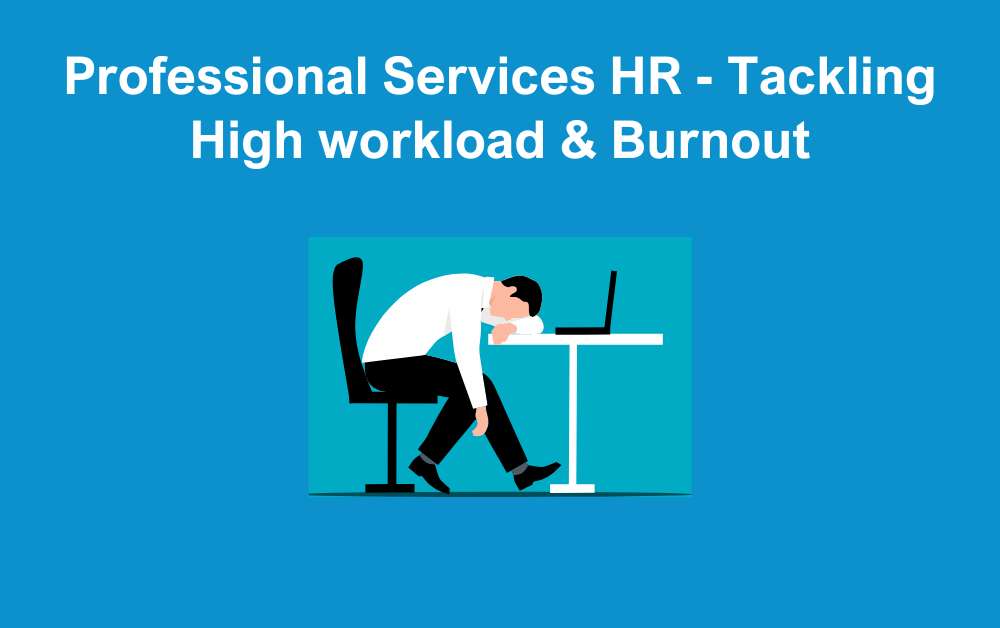
Burnout is becoming an increasing concern across the professional services industry, driven by a combination of high client expectations, tight deadlines, and consistently heavy workloads. Unlike some sectors, professional services businesses often operate in fast-paced, client-led environments where demand can fluctuate quickly, making it difficult to maintain a balanced and sustainable workload.
Juggling Workload
Many employees are expected to juggle multiple projects at once, often with competing priorities and limited time to switch between tasks effectively. This is made worse by the growing volume of administrative work, which takes time away from higher-value, client-facing activity. Over time, this constant pressure can lead to mental and physical exhaustion, reduced engagement, and ultimately burnout.
Industry Culture
There is also a cultural element at play. In some professional services firms, long hours and high output are still seen as the norm, which can discourage employees from speaking up when workloads become unmanageable. Without clear boundaries or support, this can create an environment where burnout is not only common, but expected.
This is where professional services HR plays a key role in overcoming these challenges.
The hidden cost of excessive workload
Excessive workload can have a negative impact on productivity and client delivery. When employees are feeling burnt out and overwhelmed, their concentration inevitably declines, mistakes are made and quality of work is compromised. Client delivery can also suffer as staff may be so overwhelmed that they are unable to stick to promised deadlines. This can damage relationships with clients and negatively impact your reputation.
A workplace survey suggested that 34% of professionals are considering leaving their jobs due to overwhelming workload. Replacing experienced staff can come at a high cost due to recruitment costs, onboarding, and time and money spent on training. This can make it harder to keep skilled workers and maintain continuity in the business.
Burnout can also have an impact on morale which creates a negative working culture. The team feel less motivated, less willing to collaborate, and may even feel they can’t trust management. If you don’t prioritise reducing workload now, this can lead to long-term damage to wellbeing, performance, and your business ability to grow and adapt.
Why admin overload is holding teams back
In many professional services firms, employees are spending too much time on admin and not enough on the work that really adds value.
Tasks like updating spreadsheets, logging hours, and managing emails can quickly take over the day. While each task may seem small, they add up and reduce the time available for client work.
This is where professional services HR can make a real difference. By reviewing how work is structured and introducing better systems or support, HR can help reduce unnecessary admin.
The result is simple. More time for meaningful work, improved productivity, and a healthier, more engaged team.
How professional services HR can identify early warning signs
HR experts should provide you with proactive support to help you move away from a reactive approach. In many firms, the warning signs are there early, but often go unnoticed until performance or retention is impacted.
A common starting point is workload data. Consistently long working hours, missed deadlines, or an increase in rework can all signal that employees are overstretched. HR teams can work with managers to review capacity regularly, ensuring workloads are distributed fairly and remain realistic.
Absence patterns are another key indicator. A rise in short-term sickness, particularly stress-related absence, or even a drop in annual leave usage can suggest employees are struggling to switch off.
Practical strategies to reduce workload pressure
Reducing workload pressure in professional services isn’t about asking people to simply “work smarter” — it requires a structured approach that tackles both capacity and inefficiencies. Here are some practical ways professional services HR can support this:
1. Improve resource planning and visibility
Many teams become overwhelmed because work isn’t evenly distributed. Regular capacity reviews help identify who is overloaded and who has availability. HR can support managers with simple capacity planning tools and encourage weekly check-ins to rebalance workloads before pressure builds.
2. Prioritise high-value work
Not all tasks carry the same importance. Encourage teams to focus on revenue-generating or client-critical work first, while reducing time spent on low-value admin. This might involve reviewing internal processes and removing unnecessary steps that slow teams down.
3. Streamline and standardise processes
Inconsistent ways of working often lead to wasted time. HR can help implement standard templates, checklists, and workflows for common tasks such as reporting, onboarding, or client updates. This reduces duplication and makes delivery more efficient.
4. Reduce admin burden through support or automation
With many professionals feeling stuck in admin-heavy roles, introducing admin support or simple automation tools can free up valuable time. This could include using HR systems to manage holidays and absence, automating reporting, or centralising documentation. We are Breathe HR partners and support many of our clients with using the system. It has been a great tool to stay on track, save time, and access data in a quicker, more efficient way.
5. Set realistic deadlines and client expectations
Pressure often comes from unrealistic turnaround times. HR can support leadership teams in setting clear boundaries with clients and ensuring timelines reflect actual capacity, not best-case scenarios.
6. Encourage better delegation and team collaboration
Workload pressure can sit with a few key individuals. Encouraging managers to delegate effectively and share responsibility across the team helps reduce bottlenecks and builds capability within the wider workforce.
7. Build recovery time into workloads
Back-to-back deadlines with no breathing space lead to burnout. Encourage teams to build in downtime after intense projects, allowing employees to reset before taking on the next piece of work.
8. Train managers to manage workload proactively
Managers play a key role in preventing burnout. Providing training on workload management, prioritisation, and having early conversations about pressure ensures issues are addressed before they escalate.
By putting these strategies in place, professional services HR can help create a more balanced and sustainable working environment — improving both employee wellbeing and overall performance.
When to consider outsourced professional services HR support
For many organisations in the professional services sector, workload pressure doesn’t always come from growth alone. It often builds gradually through increased client demand, more complex casework, and a growing administrative burden.
There typically comes a point where internal resources are stretched, managers are spending too much time on people issues, and consistency starts to slip. This is where outsourced professional services HR support becomes a practical option.
Rather than reacting when issues escalate, bringing in external HR support allows businesses to stay ahead of challenges. It also maintains compliance, and ensures employees are properly supported without placing further strain on internal teams.
Final thoughts: creating a healthier professional services environment
Addressing high workload and burnout isn’t about quick fixes. It requires a proactive, long-term approach that balances business performance with employee wellbeing.
Professional services organisations that invest in their people processes are better placed to retain talent, deliver high-quality client work, and build a sustainable culture.
If you are looking for the right professional services HR services, contact us.