In today’s digital world, social media plays a significant role in business communication. While it offers many opportunities for brand growth, it also brings risks that could impact your company’s reputation and security. A well-crafted social media policy helps to manage these risks and set clear expectations for employees. In this article, we will explore what a social media policy is, why your business needs one, and what essential elements it should include.
What is a Social Media Policy?
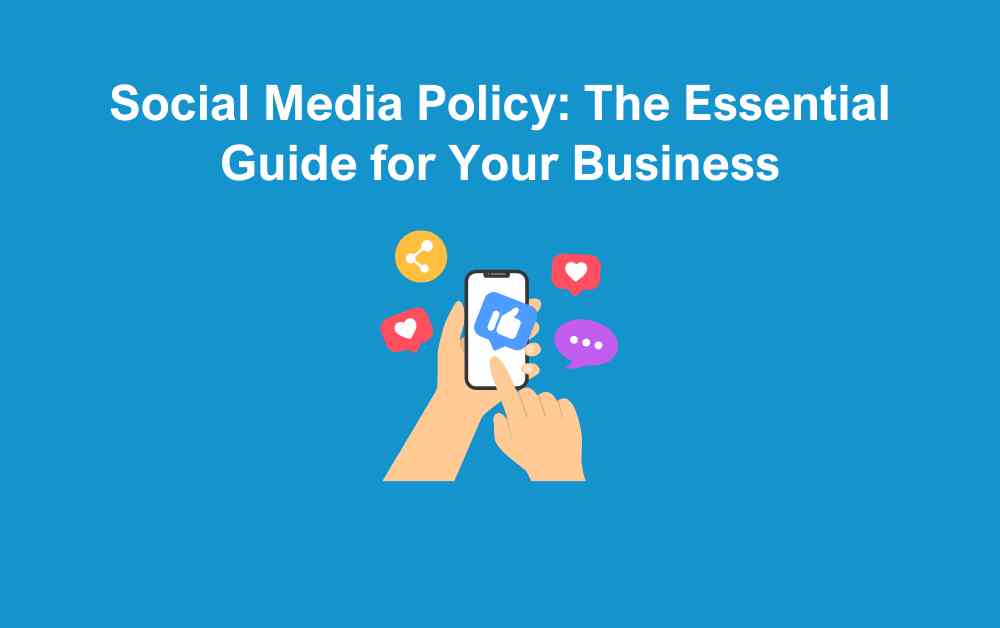
This is a set of guidelines that outline how employees should use social media in a professional and personal capacity. It helps protect your business’s reputation, ensures compliance with regulations, and sets clear expectations for online behaviour. This type of policy should highlight:
- How the business is represented on social and online platforms
- Employee social media conduct
- How business social media accounts should be used and appropriate engagement
- Expectations on how opinions should be shared about the business or employee roles within it through their personal accounts.
Why do you need a social media policy?
Social media is a powerful tool, but it also comes with risks. Without clear guidelines, employees may unintentionally harm your brand, breach confidentiality, or engage in misconduct. A well-structured policy helps to:
- Protect your company’s reputation
- Maintain compliance with legal and industry regulations
- Prevent security breaches and data leaks (read our blog on cybersecurity)
- Clarify the acceptable use of social media at work
- Educate employees on best practices and company values
- Minimise the risk of misinformation spreading online
- Establish a framework for handling social media disputes and crises
- Encourage responsible and professional engagement with online communities
By implementing this policy, businesses can mitigate risks while maximising the benefits of digital engagement.
The Risks of Not Setting Clear Expectations for Social Media Use
Failing to establish a clear social media policy can expose businesses to several risks, including:
- Reputational Damage – Employees may post inappropriate or misleading content that reflects poorly on your brand.
- Legal and Compliance Issues – Unregulated social media activity may lead to breaches of GDPR, copyright laws, or industry-specific regulations.
- Data Leaks and Security Breaches – Employees sharing sensitive company information online can result in security threats.
- Workplace Conflicts – Inappropriate online behaviour, such as discrimination or harassment, can create workplace disputes and legal repercussions.
- Misinformation and Miscommunication – Unchecked content can spread false or misleading information about your company.
- Loss of Consumer Trust – Poorly managed social media interactions can erode customer confidence and brand loyalty.
A clear social media policy helps prevent these risks by providing employees with structured guidelines on how to represent your company online.
What Should a Social Media Policy Include?
A comprehensive policy should cover:
- Purpose and Scope
Define the policy’s objectives and whom it applies to, including employees, contractors, and brand ambassadors. - Acceptable and Unacceptable Use
Outline appropriate social media activities related to company content, public interactions, and personal use. - Confidentiality and Data Protection
Explain what information must remain private, such as client details, internal strategies, and financial data. - Brand Representation
Set expectations for how employees should speak about the company online, including disclaimers on personal accounts. - Legal and Regulatory Compliance
Ensure compliance with GDPR, employment laws, and industry-specific regulations. - Crisis Management and Reporting
Provide steps for handling social media crises, including how to report issues and who to contact. - Monitoring and Enforcement
Explain how the policy will be enforced and the consequences of non-compliance.
What Employers Should Do if The Social Media Policy Is Breached
If an employee breaches your social media policy, it is essential to respond promptly and appropriately to minimise any potential damage to your business. Here are the key steps employers should take:
1. Investigate the Incident
Gather all relevant information about the breach, including screenshots, timestamps, and any reports from colleagues or customers. Speak with the employee involved to understand the context and determine whether the breach was intentional or accidental.
2. Assess the Impact
Consider the severity of the breach—did it harm your company’s reputation, violate confidentiality, or create legal risks?
3. Refer to Your Social Media Policy
Your policy should outline the consequences of breaches, helping you apply consistent and fair action. Whether it involves a formal warning, or further disciplinary action, ensure the response aligns with company guidelines.
4. Take Appropriate Disciplinary Action
Depending on the nature of the breach, disciplinary measures could range from informal coaching to formal warnings or even termination for serious violations. Always follow your organisation’s disciplinary procedures and employment laws to ensure fairness.
5. Provide Training and Reinforcement
Use the incident as an opportunity to reinforce the importance of your social media policy. Offer refresher training and remind employees of best practices to prevent future breaches.
6. Review and Strengthen Your Policy
If necessary, update your policy to address any gaps identified during the incident. Ensure all employees understand their responsibilities and the consequences of misuse.
By taking a fair and structured approach to social media breaches, employers can maintain a positive work environment while protecting their business interests.
How We Can Help
Creating a strong policy requires expertise. We can help by:
- Developing a tailored policy suited to your industry and company size
- Providing training to educate employees on best practices
- Conducting audits to assess risks and improve existing policies
- Offering ongoing support to keep your policy updated
A social media policy is essential for protecting your brand and ensuring employees use online platforms responsibly. If you need expert guidance, get in touch with us today.