As I was reflecting on my 30 year career recently, I was thinking back to some of the tasks I did when I first started employment.
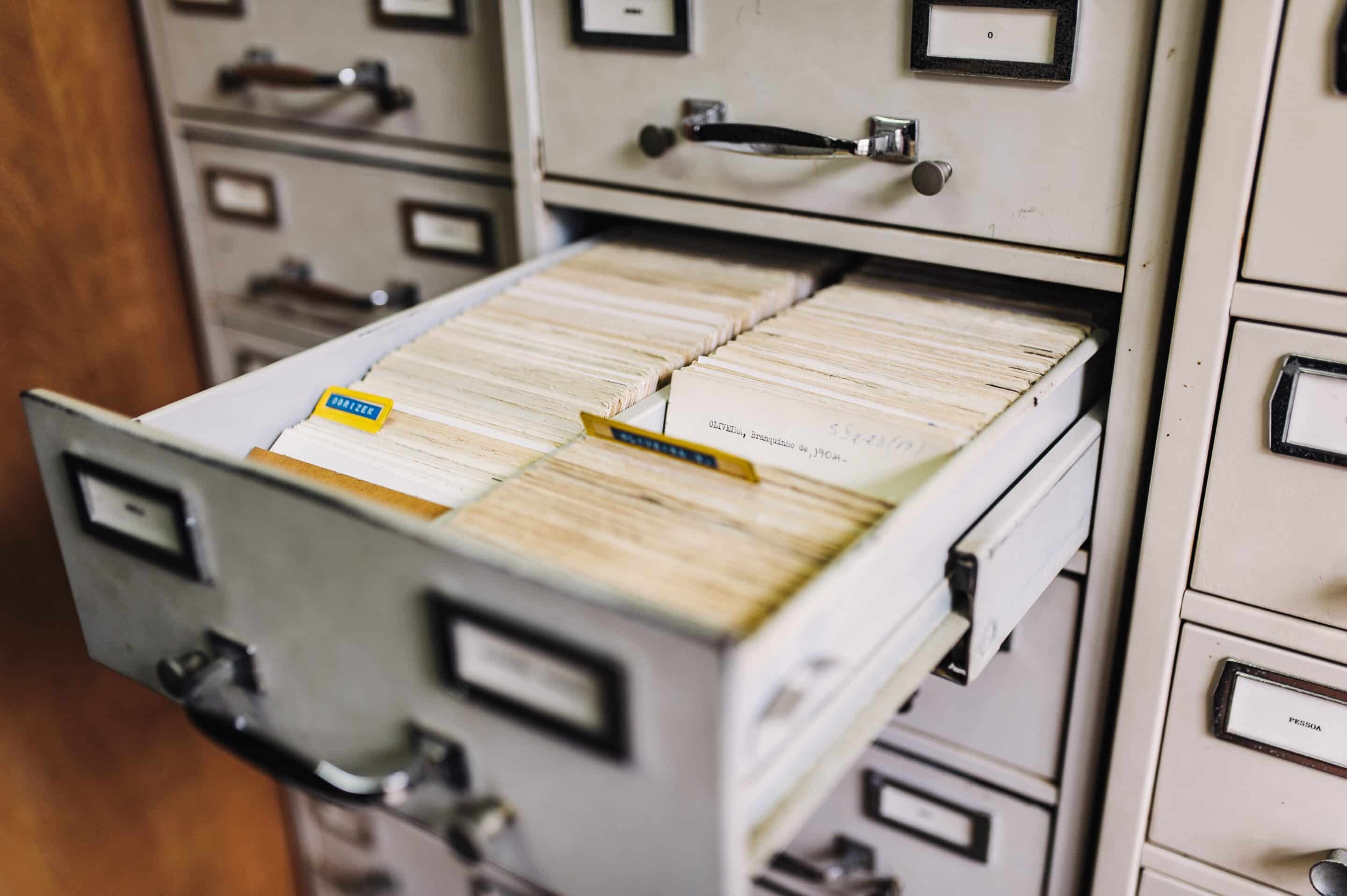
One of them was inputting details into the computerised HR system (it was called Prefect and was a green screen). Once I had finished doing this, I then had to file paper copies of each record in personnel files. There were around 10,000 employees and many more ex-employees, and with lots of training and other records to be kept, it was quite a task.
It got me thinking that in today’s digital world, there’s probably not a lot of filing that does take place. However, the way our office was set up, open plan with the Personnel Department down the left-hand side, then the Pensions Department at the bottom, all the Personnel Files down the middle and then to the other side of that, the Industrial Relations Department, which later changed to Employee Relations Department.
The Workplace Today
In today’s hybrid or working from home environment, there’s not a lot of opportunity to observe some of the things I was exposed to early in my career, and I also think that if people were to be doing a lot of filing these days, they’d likely have ear pods in and listen to Spotify! But for me, I got the chance to observe and listen to interactions in the office, meetings face to face or hear how people interacted on the telephone. Whilst I was filing, it was an opportunity to learn.
In today’s fast-paced world, young professionals often strive to land exciting, high-profile roles right away and perhaps don’t see the value in some of the admin related tasks. While such aspirations are admirable, there’s an undervalued and insightful experience that can significantly contribute to personal growth and development: office filing.
Observing and Listening as a Catalyst for Growth
Taking on filing tasks in an office environment may seem mundane at first glance, but it presents unique opportunities for young people to blossom both personally and professionally. How can organising documents in filing cabinets or digital systems lead to self-discovery and improvement, you may wonder? The answer lies in one crucial component: active observation and attentive listening.
Unlocking the Power of Observation
Every office is a dynamic ecosystem where colleagues interact, negotiate, collaborate, and communicate. As a young person working on filing duties, you have a front-row seat to these interactions. Seize this opportunity to keenly observe how your colleagues handle various situations, tackle challenges, and resolve conflicts. By being attentive, you can glean insights into effective communication, leadership styles, and problem-solving approaches.
The Art of Listening
Being attuned to your surroundings also means honing the art of listening. Paying attention to conversations, both formal and informal, can provide a wealth of knowledge. By actively listening, you’ll understand the nuances of office dynamics, identify the most influential players, and learn about the unspoken rules that govern the workplace. This knowledge can be instrumental in navigating office politics and fostering strong professional relationships.
Transferable Skills and a Growth Mindset
Beyond observation and listening, the seemingly mundane task of filing can develop vital transferable skills that will serve you well in any career path. Some of these skills include:
- Attention to Detail: Organising documents with precision requires an eye for detail and accuracy—an invaluable trait in any role.
- Time Management: Meeting filing deadlines amidst other responsibilities sharpens your time management skills, making you more efficient and reliable.
- Organisational Abilities: Filing demands order and structure. As you manage documents, you’ll cultivate a sense of organisation that extends to other aspects of your life.
- Resilience: Even in repetitive tasks, the diligence to consistently complete your work builds resilience and a strong work ethic.
Nurturing Personal Development
Embrace the concept of lifelong learning. While pursuing your career aspirations, consider filing as an opportunity to cultivate a growth mindset. By being open to learning from your surroundings and experiences, you’ll foster a mindset of continuous improvement—a trait highly sought after in any professional.
Contact Us
In conclusion, don’t overlook the hidden potential of filing tasks in an office setting. Embrace this opportunity to observe, listen, and grow. Every experience, no matter how seemingly trivial, can contribute to your personal development journey. Stay curious, remain attentive, and open your mind to the transformative power of even the most routine tasks.
If you would like any help with personal development in your business, contact our HR experts now.