With the FIFA World Cup kicking off on 11 June 2026, excitement is building across the UK. For Scotland fans in particular, the tournament brings an added challenge, with some matches taking place in the early hours of the morning due to the competition being hosted across the United States, Canada and Mexico. Scotland’s opening match, for example, kicks off at 2am UK time.
Many employers are understandably concerned about the potential impact on attendance, productivity and punctuality during the tournament. However, rather than expecting an increase in sickness absence or lateness, this is an opportunity to consider how to reduce absence in the workplace now before it’s too late.
In this article, we will look at practical ways to support employees during this time while maintaining business operations.
Getting Ahead of Potential Problems
If you’re looking at how to reduce absence in the workplace during the World Cup, it’s important to plan ahead rather than wait for issues to arise.
You may have already noticed an increase in annual leave requests, shift swaps, or requests for flexible working. These can be early signs that the tournament may affect attendance.
Major sporting events often lead to higher levels of lateness, short-notice sickness absence, and reduced productivity due to late kick-offs and lack of sleep. Euro 2024 showed just how much football can affect workplace attendance. As England progressed through the tournament, absence rates reportedly surged by up to 214%, with lateness increasing by 50%, leaving some employers struggling to field a full team.
In some workplaces, tensions can also arise between supporters of different teams.
Taking action now can help minimise disruption, maintain productivity, and ensure your team remains engaged and available throughout the tournament.
Annual Leave
You may already have received annual leave requests relating to the World Cup and, where possible, we encourage employers to accommodate these. However, we appreciate that demand may be higher than usual and it may not be possible to approve every request.
To help manage expectations and reduce disappointment, encourage employees to submit holiday requests as early as possible. This gives managers more time to plan staffing levels and make fair decisions.
If the tournament falls during a quieter period for your business and operationally you can support a higher number of employees taking leave, it may be worth reminding staff that annual leave remains an option. However, it is important to follow your usual holiday request procedures and apply them consistently across the workforce. This helps ensure fairness and avoids any perception that football fans are being given preferential treatment over other employees.
If you are unable to grant holidays for everyone, you can look at allowing staff to swap shifts.
Flexible working
By offering temporary flexibility, employers can help employees balance their personal interests with their work commitments, reducing the likelihood of unplanned absence or lateness.
Some flexible working options to consider include:
- Adjusting start and finish times to accommodate late-night or early-morning matches.
- Condensed hours, allowing employees to work their contracted hours over fewer days.
- Working from home, where roles permit, helping employees avoid commuting after a late night and remain productive.
- Flexible break times, enabling staff to follow key moments of a match without disrupting operations.
- Shift swaps or amended rotas, giving employees greater control over their schedules while ensuring business needs are met.
Taking a pragmatic approach can help maintain productivity, boost morale and keep your team engaged throughout the tournament.
Viewing Games at Work
Many employers are planning to allow viewings at work for games during working hours. This can be particularly effective to reduce absence during night shift hours.
Fairness
While Scotland and England have qualified for the world cup, it’s important to avoid focusing solely on home nation fixtures. Employees from a variety of backgrounds may want to follow and support different teams throughout the tournament, so any flexibility offered should be applied fairly and consistently.
Rota and Shift Planner
While the measures outlined above can be highly effective when considering how to reduce absence in the workplace, they may not eliminate unexpected absence entirely. That’s why having a robust rota and shift planning system in place is equally important.
A well-managed rota allows you to respond quickly when absence occurs, helping to minimise disruption and maintain service levels. By having clear visibility of employee availability, managers can identify suitable cover options and fill gaps more efficiently.
As partners of Breathe HR, and users of the system within our own business, we’ve seen first-hand the benefits it can bring. The rota management feature makes it easy to organise shift patterns, manage employee availability and keep track of staffing levels. If an employee is unexpectedly absent, managers can quickly identify who is available to provide cover and offer additional shifts where appropriate.
Having the right systems in place won’t prevent absence, but it can make managing it significantly easier and help keep your business running smoothly throughout the World Cup and beyond.
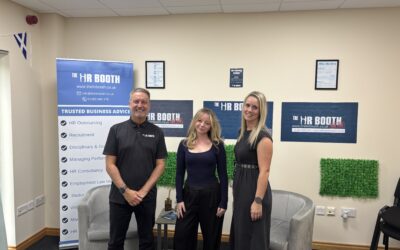
How The HR Booth Can Help
Managing attendance during major sporting events can be challenging, particularly when matches take place outside normal hours and employee excitement is high. The key is finding the right balance between supporting your team and maintaining business operations.
At The HR Booth, we help employers put practical absence management strategies in place that work for both the business and its employees. Whether you need support reviewing your absence management procedures, implementing flexible working arrangements, developing rotas and workforce planning processes, or training managers to handle attendance issues consistently, our experienced HR team can help.
We also support businesses with HR software solutions, including Breathe HR, helping you streamline absence management, improve visibility of employee availability, and make workforce planning easier.
Conclusion
The World Cup presents a fantastic opportunity to boost employee engagement and morale, but it can also create attendance challenges if employers fail to plan ahead. By taking proactive steps, communicating expectations clearly, offering flexibility where possible, and ensuring robust workforce planning is in place, employers can significantly reduce the risk of disruption.
Rather than viewing the tournament as a problem, consider it an opportunity to demonstrate trust, flexibility and support for your employees. With the right approach, you can keep your team motivated, maintain productivity, and enjoy a successful tournament both on and off the pitch.
If you’d like advice on how to reduce absence in the workplace or support in preparing your business for the World Cup, get in touch with our team today.