Something that is at the top of every employers mind at the minute is the ERA Unfair Dismissal changes. From January 2027, the minimum length of service needed to make an unfair dismissal claim will change from two years to six months. This means that even more employees will qualify for unfair dismissal rights sooner.
Although these changes may not feel immediate, they are already affecting new hires. Anyone who starts employment with you on or after 1 July 2026 will be able to bring an unfair dismissal claim once they have completed six months’ service. This is due to the law being introduced with retrospective effect. In this article, we will share a list of changes to consider now.
What is Changing and When?
The qualifying period to claim unfair dismissal is reducing from 24 months to 6 months as of 1st January next year. Currently, compensation in successful unfair dismissal claims is capped at £123,543 or 52 Weeks’ pay. The current compensation cap will also be removed which means there will be no limit on the awarded amount.
How To Prepare for the ERA Unfair dismissal changes
With changes already in action this month, it’s important you take all necessary steps to stay on the right side of the law. Key Steps Include:
Review policies, contracts, and employee handbooks
Review all contracts and related documents now and ensure they reflect new legislation. This allows you to evaluate whether you have the flexibility to process any potential dismissals before the new changes become part of law.
Management Training
Your managers will be responsible for applying these changes in practice. That’s why it’s important they receive the right training to understand the Employment Rights Act unfair dismissal changes. It also helps to manage probation, performance and dismissals confidently and correctly.
Our team delivers management training to businesses across the UK every week. This helps managers develop the knowledge and confidence they need to manage people effectively. Find out more about our management training on our website.
Improve Your Onboarding and Probation Period Strategies
If you currently have a probation period that is 6-months, we encourage you to change this to a maximum of 5 months. This will allow you to manage any dismissals before the 6 months mark.
It can also be a good idea to spend more time during the onboarding stage to review performance and fit early on. It is important that this is properly assessed to avoid any potential issues in the future.
Ensure all performance issues and warnings are well documented. This will help you if you are faced with a claim.
Prepare for Potential Tribunals
With the probation period reducing from 24 months to 6 months, many are predicting a higher volume of claims being made. With this in mind, it may be a good idea to budget for potential legal insurance or costs.
If you are faced with a potential ERA unfair dismissal claim, look at mediation and strategies to avoid going to tribunal. As mentioned above, keep record of all conversations, probation reviews, performance discussions, meetings and employment records as evidence that you have handled things correctly.
The Importance of HR Support
The reduction in the unfair dismissal qualifying period represents one of the biggest changes to employment law in recent years. With employees gaining protection much sooner, employers will need to ensure their recruitment, onboarding, probation and performance management processes are robust from day one.
Having access to expert HR advice can help you identify potential risks before they become costly issues. Whether it’s reviewing your contracts and policies, supporting managers through difficult conversations, or providing advice before making dismissal decisions, taking the right steps early can significantly reduce the risk of an employment tribunal.
Rather than reacting when a problem arises, many businesses are choosing to strengthen their HR processes now . This is mainly to ensure they are fully prepared before the changes take effect in January 2027.
How The HR Booth Can Help
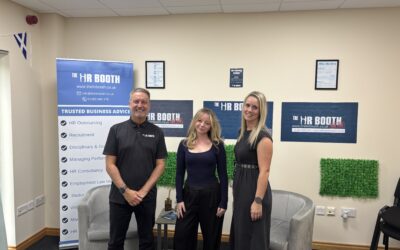
At The HR Booth, we have been helping businesses navigate changes to employment law for more than 14 years. Our team provides practical, commercial HR advice that is tailored to your business. We help you remain compliant while making confident people decisions.
We can support you by:
- Reviewing your contracts, policies and employee handbook.
- Auditing your recruitment, onboarding and probation processes.
- Delivering management training on the Employment Rights Act changes and effective performance management.
- Advising on disciplinary, capability and dismissal processes.
- Supporting you through complex employee relations issues and employment tribunal preparation where required.
Whether you need ongoing HR support through one of our retainer packages or help with a specific project, our experienced consultants are here to help you prepare for the Employment Rights Act changes with confidence.