HR Manufacturing: Importance of Formal Processes

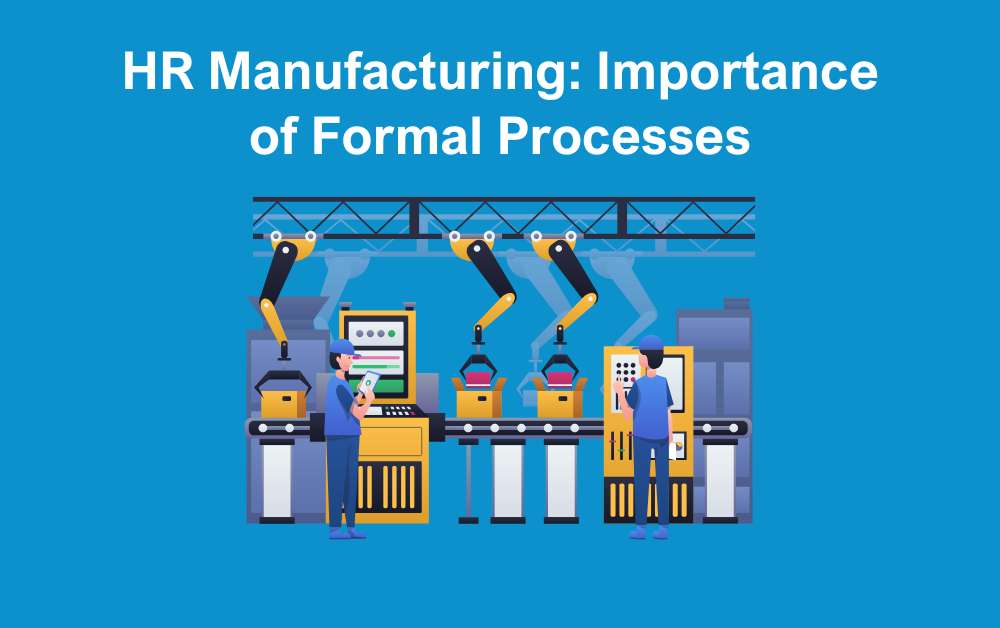
Manufacturing businesses face constant people challenges, from health and safety and shift patterns to skills shortages, absence and training. Yet many still operate without clear HR Manufacturing processes, relying on ad hoc decisions when issues arise. This can lead to inconsistency, delays and increased risk for the business.

Simple, formal HR Manufacturing processes help managers deal with issues quickly, fairly and in line with legal requirements. They give clarity, reduce disruption and support a more stable, productive workforce. For decision makers, having the right structure in place isn’t about adding complexity, it’s about protecting the business and keeping operations running smoothly.

The Risks of Managing People Without Clear Processes

Without clear HR Manufacturing processes, people issues are often handled inconsistently, with different managers taking different approaches. This can lead to confusion, reduced morale and strained working relationships across teams.

There is also increased legal and operational risk. Without a structured approach, businesses may struggle to show decisions are fair, while delays and poor communication can disrupt productivity. A reactive approach often creates more problems than it solves, whereas clear processes help protect the business and keep operations running smoothly.

Key HR Manufacturing Processes Every Business Should Have

To keep your operation running smoothly, there are a few core HR Manufacturing processes that every business should have in place. These don’t need to be overly complex, but they do need to be clear, consistent and easy for managers to follow.

Absence Management

A clear absence process helps you deal with short-term and long-term sickness quickly and fairly. This should include reporting procedures, return-to-work meetings and trigger points for further action. Without it, absence can quickly become inconsistent and impact productivity.

Disciplinary and Grievance Procedures

Having a structured approach ensures issues are handled consistently and in line with legal requirements. It gives managers confidence to act, reduces risk, and helps maintain standards across the workforce.

Onboarding and Induction

A strong onboarding process sets expectations from day one. In manufacturing, this is especially important for health and safety, quality standards and how the business operates. Getting this right reduces early turnover and helps new starters become productive faster.

Training and Skills Development

With ongoing skills shortages, having a clear approach to training is essential. This includes identifying gaps, upskilling existing employees and ensuring mandatory training (especially safety-related) is completed and recorded.

Performance Management

Regular check-ins and clear performance expectations help address issues early and keep employees on track. This doesn’t need to be overly formal, but it should be consistent across teams and shifts.

Putting these key HR Manufacturing processes in place gives your managers the structure they need to act quickly and consistently, while helping protect the business and keep operations running efficiently.

Supporting Line Managers to Make Confident Decisions

Line managers are often responsible for handling people issues day-to-day, but without clear guidance, this can be challenging. Formal HR Manufacturing processes give managers a framework to follow, helping them deal with situations quickly and fairly.

This not only improves decision-making but also builds confidence across your management team.

Training, Skills and Workforce Planning

Skills shortages remain a major challenge across the manufacturing sector. Without a clear plan in place, it can be difficult to develop your workforce or prepare for future needs.

Structured training and workforce planning processes help you identify gaps, support employee development and ensure your business has the skills it needs to grow.

How HR Manufacturing Processes Reduce Risk and Cost

Putting the right processes in place helps prevent issues before they escalate. It reduces the likelihood of legal claims, improves employee relations and limits disruption to your operations.

In the long run, this saves both time and money, while creating a more stable and productive working environment.

Main HR Policies Required by Law

While processes help you and your managers to run a happy, healthy, and successful workplace, there are also policies that are required by law. This includes:

Other policies that manufacturing companies should consider implementing include:

  • Training policy
  • Shift and Overtime
  • PPE and equipment use policy
  • Visitor management policy
  • Contractor policy

HR Checklist for Manufacturing Managers

To help you ensure you are following the correct HR processes, here is a simple checklist to follow:

  • Regularly check HR policies and ensure they are up to date and accessible to employees
  • Utilise workforce data to anticipate risks to staff
  • Keep a track on training and certification
  • Create consistent processes across all sites and shifts
  • Review HR documentation to ensure it reflects any recent operational changes

How The HR Booth Can Support Your Manufacturing Business

At The HR Booth, we support manufacturing businesses with practical, straightforward HR solutions that work in the real world. We understand the fast-paced nature of the sector and the importance of keeping operations running smoothly while managing your people effectively.

Whether you need support putting new processes in place or strengthening what you already have, we work alongside you to keep things simple, compliant and effective. This can include reviewing your current approach, providing clear documentation, and offering ongoing advice when challenges arise.

Our aim is to take the pressure off you and your managers, giving you the confidence that your HR processes are robust, consistent and aligned with current legislation, so you can focus on running and growing your business. Find out more about our experienced team on our website.

HR Retainer Services: Cost-Effective Support for Employers

HR Retainer Services: Cost-Effective Support for Employers

HR retainer services can provide real value to businesses. Rather than carrying the significant cost of an in-house HR professional, many organisations are choosing to outsource their HR support through a monthly retainer. This approach gives businesses access to...

Occupational Health Surveillance: What Employers Need to Know

Occupational Health Surveillance: What Employers Need to Know

Protecting the health of employees is a key responsibility for every employer. In many industries, particularly those involving exposure to noise, chemicals, vibration, dust or other workplace hazards, monitoring employee health is not just good practice, it can also...

Skills Shortages Manufacturing UK: Employer Solutions

Skills Shortages Manufacturing UK: Employer Solutions

Skills shortages in manufacturing UK continue to be one of the biggest challenges facing the sector, creating growing pressure for employers trying to recruit, develop and retain the talent they need. A recent survey hosted by. Barclays Corporate and The Manufacturer...

Key Employment Law updates: Employer Costs and Law Checklist

Key Employment Law updates: Employer Costs and Law Checklist

Even more employment law updates will come in to force in April. As you will be aware there are key updates that have emerged that will impact businesses and it's important to ensure you are fully compliant and on the right side of employment law. Key changes include...

Manufacturing’s Ageing Workforce: Challenges & Solutions

Manufacturing’s Ageing Workforce: Challenges & Solutions

Manufacturing’s ageing workforce is becoming an increasingly important issue for businesses across the UK. Many experienced engineers, technicians and skilled production workers are approaching retirement, while younger talent entering the sector is not always...

Employees stranded abroad: employer guidance on pay & absence

Employees stranded abroad: employer guidance on pay & absence

The ongoing conflict in the Middle East has led to widespread airspace closures, mass flight cancellations and major travel chaos across the region and beyond. With international travel plans thrown into disarray, many UK employers are now facing a new workplace...