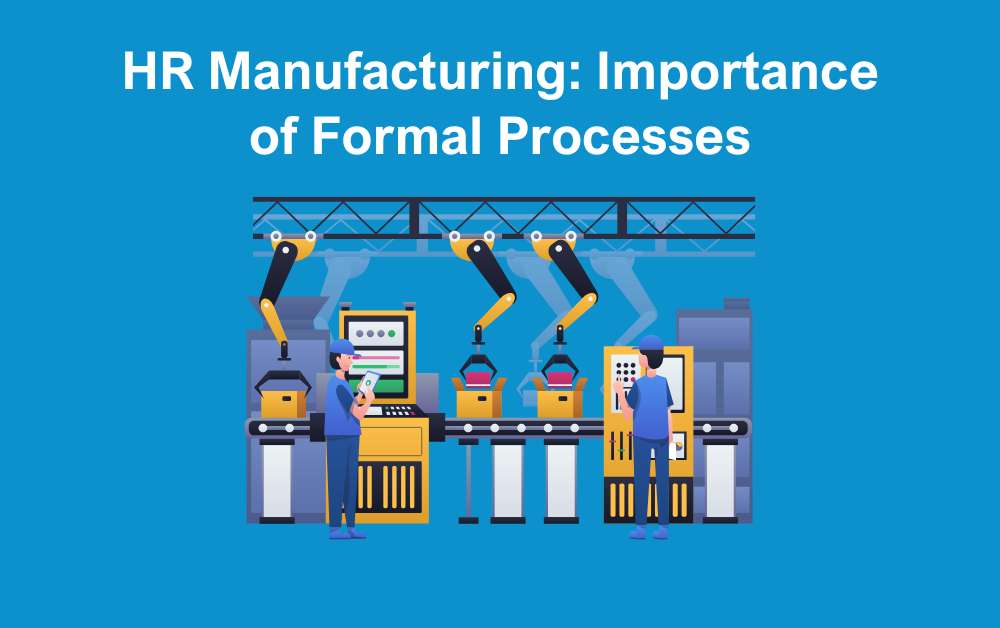
HR Manufacturing: Importance of Formal Processes

Manufacturing businesses face constant people challenges, from health and safety and shift patterns to skills shortages, absence and training. Yet many still operate without clear HR Manufacturing processes, relying on ad hoc decisions when issues arise. This can lead to inconsistency, delays and increased risk for the business.

Simple, formal HR Manufacturing processes help managers deal with issues quickly, fairly and in line with legal requirements. They give clarity, reduce disruption and support a more stable, productive workforce. For decision makers, having the right structure in place isn’t about adding complexity, it’s about protecting the business and keeping operations running smoothly.

The Risks of Managing People Without Clear Processes

Without clear HR Manufacturing processes, people issues are often handled inconsistently, with different managers taking different approaches. This can lead to confusion, reduced morale and strained working relationships across teams.

There is also increased legal and operational risk. Without a structured approach, businesses may struggle to show decisions are fair, while delays and poor communication can disrupt productivity. A reactive approach often creates more problems than it solves, whereas clear processes help protect the business and keep operations running smoothly.

Key HR Manufacturing Processes Every Business Should Have

To keep your operation running smoothly, there are a few core HR Manufacturing processes that every business should have in place. These don’t need to be overly complex, but they do need to be clear, consistent and easy for managers to follow.

Absence Management

A clear absence process helps you deal with short-term and long-term sickness quickly and fairly. This should include reporting procedures, return-to-work meetings and trigger points for further action. Without it, absence can quickly become inconsistent and impact productivity.

Disciplinary and Grievance Procedures

Having a structured approach ensures issues are handled consistently and in line with legal requirements. It gives managers confidence to act, reduces risk, and helps maintain standards across the workforce.

Onboarding and Induction

A strong onboarding process sets expectations from day one. In manufacturing, this is especially important for health and safety, quality standards and how the business operates. Getting this right reduces early turnover and helps new starters become productive faster.

Training and Skills Development

With ongoing skills shortages, having a clear approach to training is essential. This includes identifying gaps, upskilling existing employees and ensuring mandatory training (especially safety-related) is completed and recorded.

Performance Management

Regular check-ins and clear performance expectations help address issues early and keep employees on track. This doesn’t need to be overly formal, but it should be consistent across teams and shifts.

Putting these key HR Manufacturing processes in place gives your managers the structure they need to act quickly and consistently, while helping protect the business and keep operations running efficiently.

Supporting Line Managers to Make Confident Decisions

Line managers are often responsible for handling people issues day-to-day, but without clear guidance, this can be challenging. Formal HR Manufacturing processes give managers a framework to follow, helping them deal with situations quickly and fairly.

This not only improves decision-making but also builds confidence across your management team.

Training, Skills and Workforce Planning

Skills shortages remain a major challenge across the manufacturing sector. Without a clear plan in place, it can be difficult to develop your workforce or prepare for future needs.

Structured training and workforce planning processes help you identify gaps, support employee development and ensure your business has the skills it needs to grow.

How HR Manufacturing Processes Reduce Risk and Cost

Putting the right processes in place helps prevent issues before they escalate. It reduces the likelihood of legal claims, improves employee relations and limits disruption to your operations.

In the long run, this saves both time and money, while creating a more stable and productive working environment.

Main HR Policies Required by Law

While processes help you and your managers to run a happy, healthy, and successful workplace, there are also policies that are required by law. This includes:

Other policies that manufacturing companies should consider implementing include:

  • Training policy
  • Shift and Overtime
  • PPE and equipment use policy
  • Visitor management policy
  • Contractor policy

HR Checklist for Manufacturing Managers

To help you ensure you are following the correct HR processes, here is a simple checklist to follow:

  • Regularly check HR policies and ensure they are up to date and accessible to employees
  • Utilise workforce data to anticipate risks to staff
  • Keep a track on training and certification
  • Create consistent processes across all sites and shifts
  • Review HR documentation to ensure it reflects any recent operational changes

How The HR Booth Can Support Your Manufacturing Business

At The HR Booth, we support manufacturing businesses with practical, straightforward HR solutions that work in the real world. We understand the fast-paced nature of the sector and the importance of keeping operations running smoothly while managing your people effectively.

Whether you need support putting new processes in place or strengthening what you already have, we work alongside you to keep things simple, compliant and effective. This can include reviewing your current approach, providing clear documentation, and offering ongoing advice when challenges arise.

Our aim is to take the pressure off you and your managers, giving you the confidence that your HR processes are robust, consistent and aligned with current legislation, so you can focus on running and growing your business. Find out more about our experienced team on our website.

Common Leadership Challenges in Hospitality

Common Leadership Challenges in Hospitality

The hospitality industry is fast-paced, people-focused and often operates under significant pressure. Managers are expected to balance customer expectations, staffing levels, employee performance and day-to-day operations, often while working evenings, weekends and...

HR Career Path: Kayleigh’s 4-Week Work Experience

HR Career Path: Kayleigh’s 4-Week Work Experience

We were delighted to welcome Kayleigh to the team as part of a four-week work experience programme. Supporting young people in their HR career path and helping them gain valuable experience in the world of work is something that's really important to us. From day one,...

Hospitality Rewards: Employee Benefits that Work

Hospitality Rewards: Employee Benefits that Work

According to a 2024 RotaCloud survey, the hospitality industry has the highest employee turnover rate of any sector at 38.7%, rising to 47% for clubs and bars. Factors such as shift work, lower-paid roles and a younger workforce all contribute to employees moving...

Pay Transparency: What Employers Need to Know

Pay Transparency: What Employers Need to Know

The UK Government has launched a consultation that could significantly change how employers advertise salaries during recruitment. The proposals aim to improve pay transparency, reduce pay discrimination, and strengthen equal pay protections across the workplace....

HR Policies and Procedures: Review Before It’s Too Late

HR Policies and Procedures: Review Before It’s Too Late

Many businesses have a comprehensive set of HR policies and procedures in place, often built up over many years as the organisation has grown. However, once these documents have been created, they can easily become overlooked while attention is focused on running the...

ERA Unfair Dismissal: Everything You Need to Know Before 2027

ERA Unfair Dismissal: Everything You Need to Know Before 2027

Something that is at the top of every employers mind at the minute is the ERA Unfair Dismissal changes. From January 2027, the minimum length of service needed to make an unfair dismissal claim will change from two years to six months. This means that even more...