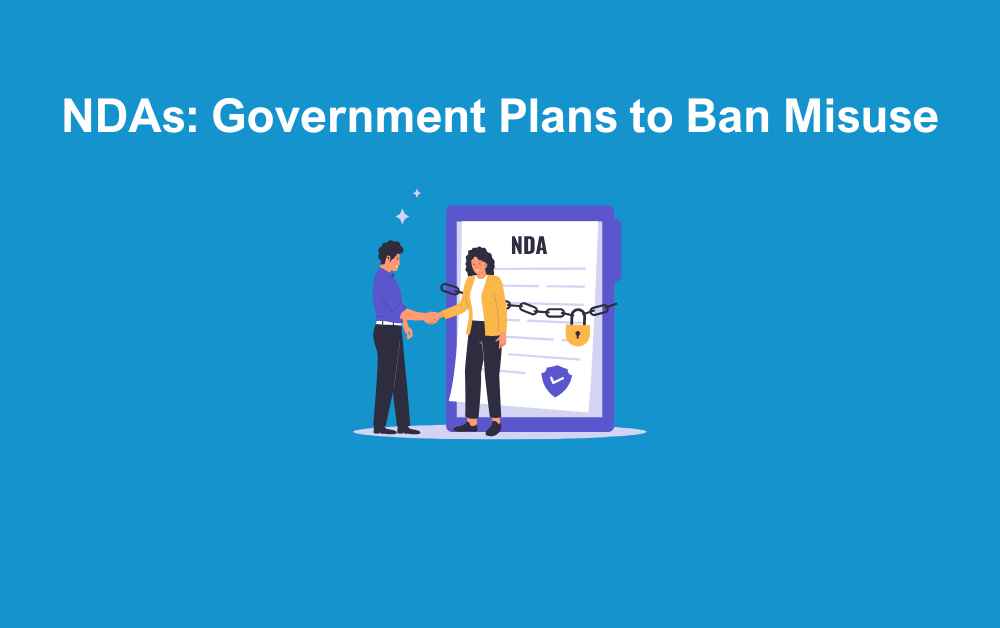
As part of the Governments amendments to the employment rights bill, they plan to ban the misuse of NDAs (Non-Disclosure Agreements). This is in an attempt to stop employers from preventing their staff from speaking out about discrimination and harassment within the workplace. The law is expected to be introduced later in the year. However, the Government have advised that more consultations will need to take place before this.
A CIPD survey of over 2,000 UK employers in Spring 2024 highlighted the scale of the issue. It found that 22% use Non-Disclosure Agreements in sexual harassment cases, but over a third were unsure of their organisation’s approach. Among those whose organisations use settlement agreements, 65% didn’t know how often NDAs were included. This is also more common in the private sector (25%) than in the public (16%) or voluntary (9%) sectors.
These findings suggest a lack of clarity and oversight around NDAs in many organisations, reinforcing the need for clearer regulation and stronger protections for employees.
What is an NDA?
A Non-Disclosure Agreement (NDA) is a legal contract used to keep certain information confidential. In the workplace, NDAs are often included in settlement agreements to prevent employees from sharing details about disputes. While they can protect sensitive business information, concerns have grown about their misuse to silence victims and witnesses.
What Does The NDA Changes Mean for Workplaces?
If the changes are approved, confidentiality clauses in future settlement agreements will no longer silence employees about harassment or discrimination. Victims will also be able to freely speak about what they’ve experienced. Furthermore, witnesses will be able to speak out against poor conduct and support victims without fear of legal action.
The changes will not impact Non-Disclosure Agreements used legitimately for protecting sensitive business information or intellectual property in commercial deals.
This would create one of the strongest protection systems globally, giving millions, including low-paid workers, confidence in tackling misconduct.
Angela Rayner, the deputy prime minister, said:
“The use of NDAs to cover up abuse and harassment is growing – and sadly amongst those in low-income or insecure employment across multiple industries and workplaces.
“This cannot go on. That is why we are stamping out this practice and taking action to ban any NDAs used for this purpose. My message is clear: no one should suffer in silence and we will back workers and give survivors the voice that they deserve.”
What Employers Need to Do Now
With proposed changes to the use of NDAs on the horizon, employers should take proactive steps to prepare for a shift in how workplace disputes are handled. Here are key actions to consider:
1. Review and update NDAs and settlement agreements
Employers should audit NDA templates and any clauses used in settlement agreements. Legal language should be reviewed to ensure it doesn’t prevent individuals from speaking out about harassment, discrimination or misconduct. In addition, you can consider removing or revising clauses that could be seen as overly restrictive or unclear.
2. Seek legal advice
Now is the time to consult with legal experts or employment law advisers to ensure contracts and policies comply with the expected changes. This will help mitigate risk and ensure the organisation is aligned with best practice as legislation evolves.
3. Train managers and HR teams
Managers and HR professionals need clear guidance on how to handle complaints fairly and transparently. Management training should focus on recognising inappropriate conduct, managing sensitive conversations, and also understanding when confidentiality is and isn’t appropriate.
4. Strengthen internal reporting processes
Ensure staff feel safe and supported when raising concerns. Clear, confidential, and accessible reporting mechanisms help address issues early—often before legal action or formal complaints are necessary.
5. Promote an open and inclusive culture
Beyond policy, employers should foster a workplace culture where speaking up is encouraged. Therefore, regular communication, anonymous staff surveys, and visible leadership support for zero-tolerance policies can all help build trust and accountability.
6. Monitor developments in the law
The final details of the NDA reforms are yet to be confirmed. However, it’s important to stay informed about the progress of the Employment Rights Bill and be ready to update policies in line with new legal requirements once they come into force.
Conclusion
The proposed changes to NDAs mark a significant step forward in tackling workplace harassment and discrimination. By limiting the misuse of confidentiality clauses, the Government aims to create safer, fairer environments where victims and witnesses feel empowered to speak out.
Employers who act now to review their policies, train their teams, and foster a culture of openness will not only stay ahead of the law but also build greater trust and integrity across their workforce.
Contact Us
At The HR Booth, we support employers across the UK in navigating employment law changes and creating positive, compliant workplaces.
If you’d like help reviewing your settlement agreements, updating your HR policies, or delivering training on respectful workplace practices, get in touch with our team today.