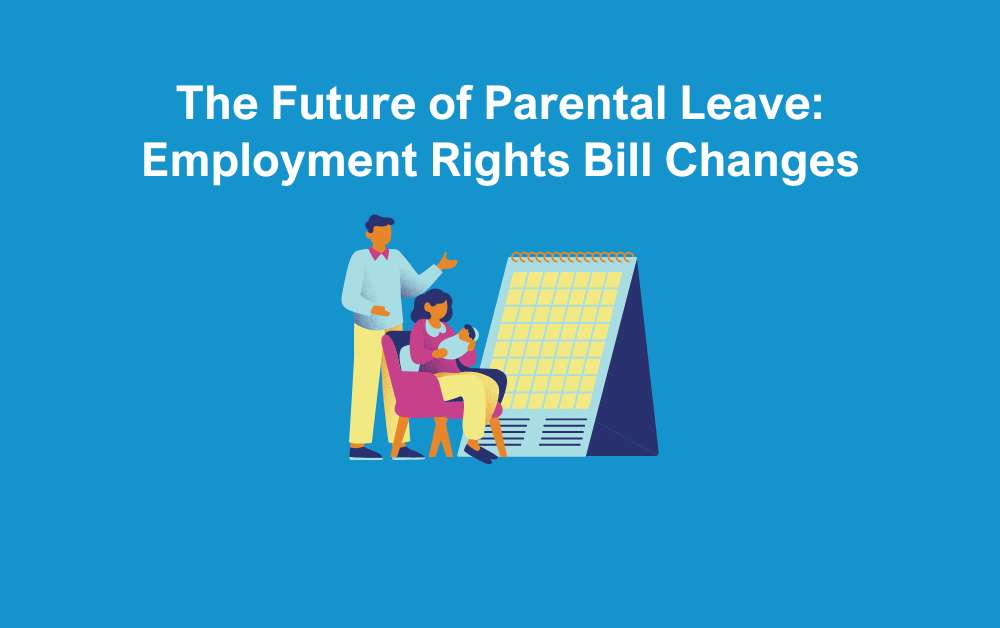
The UK Government has announced plans to strengthen employment rights with the introduction of the new Employment Rights Bill. A key part of this legislation focuses on parental leave, aiming to give parents and families greater support in the workplace. From making parental leave a day one right, to extending protections for pregnant employees, these changes mark a significant shift in family-friendly workplace policies. Employers need to be aware of what’s coming and prepare for the impact these updates will have on their people and policies.
What is the Employment Rights Bill?
The Employment Rights Bill is a new piece of legislation announced by the UK Government designed to strengthen workplace rights and protections. The Bill introduces a range of reforms that focus on supporting employees and giving families greater security at work.
One of the biggest areas of change is around parental leave. Furthermore, new measures will ensure parents and carers can access time off from day one of employment. Alongside this, the Bill looks at improving paternity leave, extending bereavement leave, and offering stronger protections for pregnant employees and those returning from maternity leave.
For employers, this means reviewing policies and processes to make sure they align with the updated legislation. Reforms will affect everything from staff entitlements to dismissal procedures.
Parental leave as a day one right
From April 2026, the UK Government plans to introduce significant reforms to parental leave. Under the new legislation, parental leave will become a statutory day one right for all employees. This removes the existing requirement for staff to have completed a full year of continuous service before becoming eligible. In practice, this means that parents will be able to request time off to care for their children immediately upon starting a new role. This will provide greater flexibility and reassurance for working families.
The change is designed to support parents in balancing work and family life, encourage shared caring responsibilities, and create a more inclusive workplace environment. Employers will need to prepare for these adjustments by reviewing existing policies and ensuring that managers are equipped to handle requests fairly and consistently once the new rules come into effect.
Paternity leave updates
Paternity leave will soon become a statutory entitlement from the very first day of employment. This is one of the most significant parental leave changes in the ERB. At present, employees are only eligible once they have completed 26 weeks of continuous service with their employer.
From April 2026, this qualifying period will be removed. Therefore, new fathers and partners will be able to access paternity leave immediately, regardless of how long they have been with their employer. This reform aims to give families greater flexibility in managing the crucial early weeks after a child’s birth or adoption. It also ensures fairer access to parental support across the workforce. It helps reduce barriers for newer employees, and promotes stronger involvement from both parents in caring responsibilities during the vital early stages of a child’s life.
Bereavement leave and pregnancy loss
A new statutory right to bereavement leave is set to be introduced, giving employees a minimum of one week’s leave from their very first day of employment. This removes the need for a qualifying service period before becoming eligible.
The entitlement is intended to give employees the time and space they need to grieve. It will also allow them to deal with personal matters following the loss of a loved one, without the additional pressure of work responsibilities.
At present, the only legal entitlement is parental bereavement leave. This allows parents to take time off following the death of a child under the age of 18.
The new legislation will go further by covering pregnancy loss before 24 weeks. If passed, this means families affected by pregnancy loss will have the right to take time off. This forms part of the Government’s wider plan to strengthen workers’ rights and support dignity at work.
Pregnancy loss before 24 weeks includes:
- Miscarriage
- Ectopic pregnancy
- Molar pregnancy
- Termination for medical reasons
- Unsuccessful IVF due to embryo transfer loss
Stronger protections against dismissal
Once the legislation is passed, employees who are pregnant, on maternity leave, or within six months of returning to work will benefit from strengthened protection against dismissal.
Enhanced protections were introduced in April 2024. This ensured that this group of employees cannot be dismissed unfairly during these key stages of pregnancy and maternity. The proposed updates will go even further by extending the period of protection and tightening the rules. This will make it harder for employers to dismiss affected employees except in very limited and fair circumstances.
This change is designed to give parents greater job security at a particularly vulnerable time. It will help to reduce discrimination in the workplace and supporting the Government’s wider aim of improving equality and dignity at work.
What employers should do next
With parental leave becoming a day one right, it’s essential that employers act early to prepare. These changes are not just legal updates; they represent a shift in workplace culture towards greater support for employees with caring responsibilities.
To get ready, employers should:
- Review policies and contracts – ensure your current family leave and dismissal policies reflect the new entitlements and protections.
- Update employee handbooks – make the changes clear and accessible so staff know their rights.
- Train line managers – managers are often the first point of contact for employees requesting parental leave or support. Therefore, it’s vital they understand the new rules.
- Plan for workforce cover – with parental leave available from day one, think ahead about how to manage staffing and workload when employees take time off.
- Communicate openly – keeping employees informed about these changes helps build trust and demonstrates that your organisation is committed to supporting families.
By taking these steps now, you can remain compliant with the Employment Rights Bill. It will also create a workplace where staff feel valued and supported at every stage of family life.
Contact Us
If you would like any advice on parental leave or ERB changes, our HR Consultants are here to help. Contact us today.