Garden leave, sometimes referred to as gardening leave, is a common practice in UK employment law, often used when an employee resigns or is leaving a business. It involves the employee serving their notice period away from the workplace, while still remaining on the payroll and bound by their contractual obligations. But what is garden leave, and why is it used by UK employers?
In this article, we explain exactly what this is, when it should be applied, and how it can help protect your business interests. Whether you are an employer considering placing an employee on this leave, or an employee wanting to understand your rights, this guide will provide you with clear, practical information relevant to the UK workplace.
What is Garden Leave?
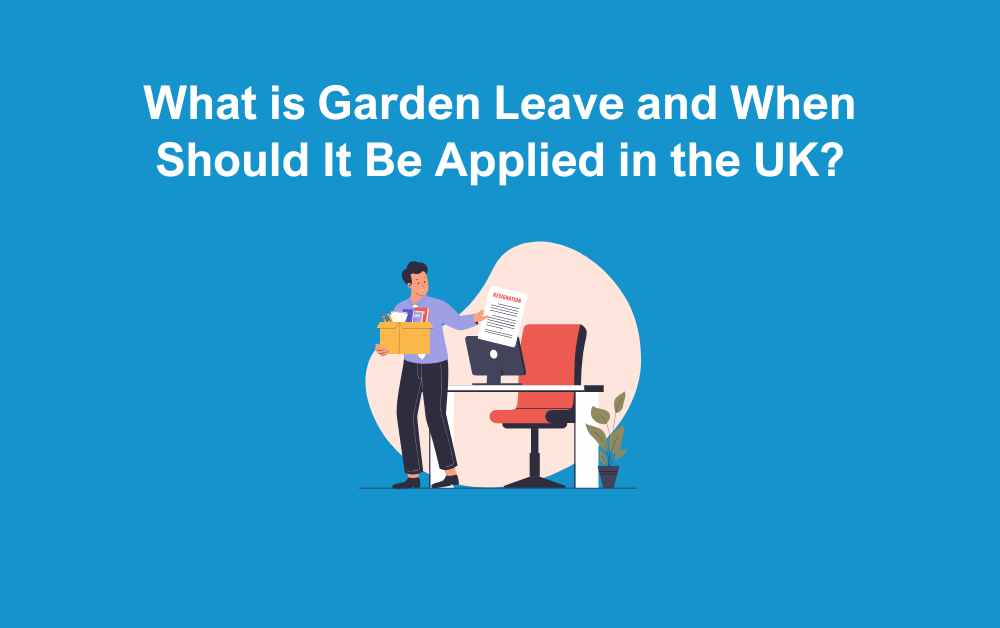
Garden leave occurs when an employee has resigned, been made redundant, or been dismissed, and their employer instructs them not to attend the workplace or carry out any work, whether from home or elsewhere, during their notice period. Employers tend to use this method to keep staff out of the competitive market for a length of time. This is mainly to ensure the employee doesn’t have access or use sensitive information if working with a competitor.
This can include pricing, technical knowledge, or customer database. Essentially, it’s an agreement between an employer and employee that prevents the employee from taking their customer base or contacting them for a set period of time.
This is often is written into employment contracts and we advice you to check this before making any decisions.
Can any employee be put on garden leave?
In short, Yes. However, it’s important to keep in mind that it should only be implemented when a contract of employment is ending and they have a notice period to complete. This must be included in the contract. This type of leave is most commonly used with senior leaders as they usually have a longer notice period.
Why Do Employers Use Garden Leave?
There are many reasons why employers implement this agreement. The main reasons include:
- Protect sensitive business information – As mentioned above, the employee may me a senior leader who has access to confidential information. If this information was shared, it can threaten the business. Therefore, to prevent this from happening, employers may choose to place them on garden leave.
- Prevent employees from joining a competitor immediately – Post-termination restrictions can protect your business but are often hard to enforce. Employers may use garden leave instead to safeguard their interests.
- Maintain workplace stability during transitions – If an employee is dismissed, an employer may not want them to attend work during their notice period or start a new job during this time. Therefore to regain workplace stability, they opt for this method.
Employee Rights During Garden Leave
Although employees have been asked not to attend the workplace, they still have a right to their usual pay and benefits. Therefore, you must pay them their full pay. The terms of the agreement must be stated clearly in the contract and may include:
- A ban on communicating with colleagues or clients
- No access to company equipment and devices
- Obligation to remain available if required
Can an employee start a new job while on Garden Leave?
No, usually as part of the agreement, employees are prohibited from starting a new job during this period. They still have a notice period to fulfil. Therefore, they will have to wait until the notice period has ended. If they have decided to start a new job before the notice period has ended, they are at risk of breach of contract.
How Long is Garden Leave?
The length of what is garden leave depends on the notice period. If the notice period is 5 months, then the garden leave can be 5 months. However, you can require them to work a certain period of this time and then spend the rest of their notice period on garden leave.
Best Practice for UK Employers
It’s important that this type of leave is implemented fairly and in line with employment law. Therefore, you must ensure:
- Contractual clauses are in place
- They are applied consistently and fairly
We advice you to seek legal or HR advice before implementing this to avoid any legal issues in the future.
Garden Leave Support From The HR Booth
Are you still wondering what is Garden Leave and how to implement this in your business? Don’t worry, our HR experts are here to help. Our team can assist you with introducing this agreement in your employee contracts correctly. We are also here to help if you have any issues while your employee is on leave. Contact us today at advice@thehrbooth.co.uk.